
Day trips to Ha Long Bay waste most of your time on the road. Here is what you need to plan an overnight cruise that actually does the bay justice.
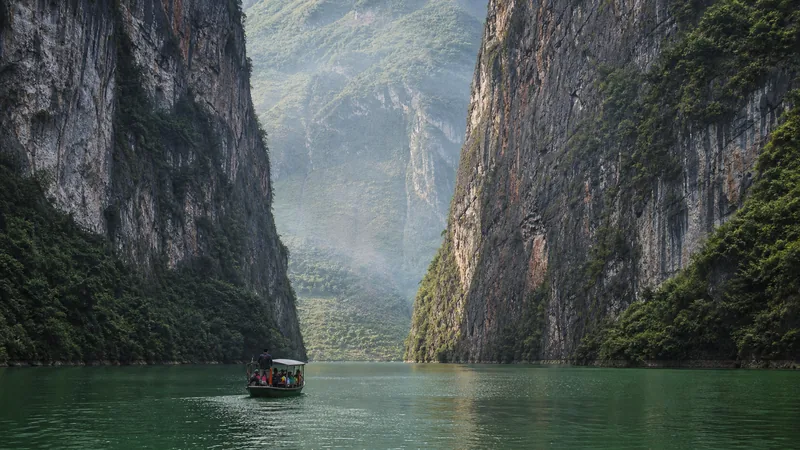
Ha Long Bay is one of those places that looks exactly like its photographs: 1,969 limestone karsts rising from green water, mist sitting low in the mornings, no flat horizon anywhere. But you need time on the water to appreciate it. A day trip from Hanoi burns four to five hours in a van and gives you four hours afloat. An overnight cruise gives you a sunset, a full day on the bay, a sunrise, and a quiet morning before the day-trip crowds arrive. It is not even a close comparison.
This guide covers the practical logistics for Singapore travellers planning two nights in Hanoi with an overnight cruise built in. If you are still mapping out the wider trip, it helps to see how the cruise slots into a full northern Vietnam itinerary alongside Hanoi, Ninh Binh, Sapa and Ha Giang before you lock in dates.
Why One Night Is the Minimum
Ha Long Bay is roughly 3.5 hours from Hanoi by private van. You arrive at the harbour around midday, board your junk boat, and spend the afternoon exploring: kayaking through caves, swimming in a lagoon, watching limestone towers change colour as the sun drops. The next morning is when Ha Long Bay shows its best face. Sunrise over the karsts, near silence on the water, mist burning off the peaks. You get none of that on a day trip. Two-night cruises push deeper into the bay and reach quieter areas fewer boats visit.
Choosing a Junk Boat: 3-Star, 4-Star, or Luxury
The cruise market splits cleanly into three tiers. All three include kayaking, cave visits, and meals.
Budget 3-star boats run around USD 120 to 160 per person for one night. Cabins are compact and functional. Food is decent, service is variable. These are fine if you plan to spend most of your time outdoors anyway.
4-star boats cost USD 180 to 280 per person. Cabins are noticeably larger, beds are better, and food quality steps up. For most Singapore travellers, this tier hits the right balance of comfort and value. Private tours typically use this tier as a baseline.
Luxury and 5-star boats start around USD 350 per person and go well beyond that. En-suite soaking tubs, butler service, gourmet dining. Worth it if you are travelling as a couple for a special occasion or simply want the best version of the experience.
The key difference between boats at any tier is itinerary routing. Ask whether your boat goes to the core Ha Long Bay zone or ventures into Bai Tu Long Bay to the east, which is quieter and less trafficked.
What Is Included on Most Cruises
Standard inclusions across most 3-star and 4-star cruises: all meals on board (dinner, breakfast, lunch the next day), kayaking, a guided cave visit, a cooking class or squid fishing session in the evening, and a tai chi session on the sundeck at sunrise. Transfer from Hanoi is usually sold separately but is almost always bundled with private tour packages. Check whether kayaking is guided or self-paddle, as both are common.
What to Pack
Pack light. You are on a boat. Key items: motion sickness tablets (Dramamine or equivalent, as the bay can be choppy, especially in shoulder season), reef-safe sunscreen, a light jacket or layer for evenings (the water makes it cooler than Hanoi), sandals or slip-on shoes for boat decks, and a waterproof bag or dry bag for kayaking. Do not bring a large suitcase. Most operators ask you to leave heavy luggage at your Hanoi hotel.
Weather and Best Seasons
Ha Long Bay sits in northern Vietnam, which means it follows a distinct seasonal pattern that is nothing like Singapore’s year-round heat.
March to May is the sweet spot. Seas are calm, temperatures sit between 22 and 28 degrees Celsius, visibility is excellent, and the bay is not yet at peak tourist density. This is the best window for a cruise.
June to August is hot and humid. Cruises run normally through June and early July, but typhoon risk increases from July onward. Some operators suspend or reroute itineraries. Water visibility can drop.
September to October is a solid shoulder option. Some rain, but seas are generally manageable and prices dip slightly from peak.
November to February is the toughest period. Cold northern fronts push in, and Ha Long Bay in January can feel like 10 to 14 degrees Celsius, which surprises many Singapore travellers. Fog is common, which can be atmospheric but limits visibility for photography. Some cruises are cancelled due to rough seas. December and January are the worst months. If you are travelling during Singapore’s November school holidays, book carefully and check the operator’s cancellation policy.
The Caves: Sung Sot and Thien Cung
Most cruise itineraries include at least one major cave. Sung Sot (Surprise Cave) is the most visited, a three-chamber cavern with dramatic stalactite formations and strong lighting. It can feel crowded at peak times but remains worth the visit. Thien Cung (Heavenly Palace Cave) is smaller, more atmospheric, and less trafficked. A good 4-star itinerary will include both or offer an alternative on the second day.
For a dedicated breakdown of each cave system and what to expect inside, see our Ha Long Bay caves guide.
Ha Long Bay vs Lan Ha Bay
Lan Ha Bay sits just south of Ha Long Bay and is administered separately through Cat Ba Island. It sees a fraction of the boat traffic, which means quieter anchorages and less crowding at popular spots. The scenery is comparable: limestone karsts, clear water, floating villages. Some itineraries combine both bays over two nights, which gives the best of each. If you want a quieter experience and do not mind a slightly longer transfer via Cat Ba, Lan Ha Bay is worth requesting specifically.
Plan Your Trip
Browse our private Vietnam tour packages from Singapore, priced in SGD with no hidden fees. Private guide, 3 to 4 star hotels, and meals included from SGD 448 per person. View Ha Long Bay Tour Packages
Related Reads
- Ha Long Bay Caves Guide: Sung Sot, Thien Cung and More
- Ha Long Bay vs Ninh Binh: Which Should You Visit?
- Sapa vs Ha Long Bay: Which Suits Your Travel Style?
- 7-Day Northern Vietnam Itinerary for Singaporeans