Discover what is culinary tourism Vietnam and unleash the flavors and stories that define its rich cultural food journey. Dive in today!
Culinary tourism in Vietnam: authentic food journeys explained
TL;DR:
- Vietnam emphasizes cuisine as a core cultural and tourism asset, offering deeper culinary experiences that explore history and regional stories. High-quality culinary tourism relies on trained guides, safety standards, and curated itineraries that connect food to cultural narratives, encouraging repeat visits and loyalty. Singaporeans should demand interpretive depth, cross-cultural translation, and structured experiences to fully appreciate Vietnam’s rich culinary landscape.
Most Singaporeans who travel to Vietnam for the food believe they already know what to expect: a bowl of pho, a plate of banh mi, maybe a cooking class thrown in for good measure. But Vietnamese culinary tourism is something far richer than that. Vietnam positions cuisine as a core national tourism product, turning dishes and eating practices into cultural stories that define destinations. For Singaporean food travellers who appreciate nuance, this distinction matters enormously.
Table of Contents
- What is culinary tourism and why Vietnam is unique
- How Vietnamese culinary tourism works: key components
- The pathway from food experiences to traveller loyalty
- Current challenges and evolving trends in Vietnamese culinary tourism
- A Singaporean perspective: what most guides miss about culinary tourism in Vietnam
- Plan your own Vietnamese culinary adventure
- Frequently asked questions
Key Takeaways
| Point | Details |
|---|---|
| Culinary tourism defined | Vietnamese culinary tourism is about cultural stories and food experiences, not just eating. |
| Role of guides | Trained guides and chefs ensure immersive, safe, and culturally rich culinary tours. |
| Experience impacts loyalty | Positive culinary experiences increase the chance of repeat visits and lasting memories. |
| Check for quality | Look for tours with structured storytelling, food safety, and consistent standards. |
What is culinary tourism and why Vietnam is unique
Culinary tourism is travel motivated by food experiences that are deeply tied to culture, history, and place. It is not about eating your way through a destination. It is about understanding a place through what its people grow, cook, and share. That distinction separates a tourist who eats pho from a culinary traveller who learns why Hanoi’s version differs from Saigon’s, which families shaped the recipe over generations, and how the dish reflects the city’s French colonial past.
Vietnam occupies a remarkable position in this space. Vietnam treats culinary tourism as a destination product, not merely a bonus attraction. Policymakers, tourism bodies, and local operators have collectively recognised that cuisine is a competitive advantage on the global stage. This is not accidental. Vietnam has over 500 traditional dishes documented across its three main culinary regions, each shaped by geography, climate, trade routes, and ethnic minorities.
Here is a simple way to see the difference between ordinary food travel and genuine culinary tourism in Vietnam:
| Dimension | Food travel | Culinary tourism in Vietnam |
|---|---|---|
| Primary motivation | Eating well while travelling | Travelling specifically to understand food culture |
| Depth of engagement | Tasting dishes | Learning stories, ingredients, and history behind dishes |
| Guide involvement | Optional | Central to the experience |
| Cultural connection | Surface level | Integral, connecting food to customs and identity |
| Outcome | Satisfied appetite | Lasting memory and cultural insight |
“Vietnamese cuisine is not just food. It is a living archive of history, geography, and human ingenuity that changes with every province you cross.”
For Singaporeans, this is particularly compelling. Our own hawker culture has taught us that food carries meaning beyond the plate. Applying that lens to Vietnam reveals a country where Mekong Delta food experiences involve understanding water-based farming communities, or where the Hoi An food guide connects Cham, Chinese, and Vietnamese culinary influences through a single market visit.
How Vietnamese culinary tourism works: key components
Understanding what culinary tourism means is one thing. Knowing how good operators actually deliver it is another. The best Vietnamese culinary experiences are built on a set of interconnected components that go far beyond simply serving tasty food to tourists.
Culinary tourism quality depends heavily on trained human resources: tour guides, chefs, and service staff who can interpret cuisine through culture, history, and storytelling while meeting food safety and international service standards. This is the defining characteristic of a world-class culinary tour. Without it, even the most flavourful meal becomes just another restaurant stop.
The core elements of a top-tier Vietnamese culinary experience include:
- Interpretive guides who speak knowledgeably about the dish’s origin, regional variations, and the families or communities who created it
- Trained chefs who can explain techniques, ingredient sourcing, and the sensory reasoning behind flavour combinations
- Food safety protocols that meet the standards international visitors expect, including clean kitchens, safe produce sourcing, and allergen awareness
- Curated itineraries that move logically through market visits, cooking demonstrations, communal meals, and contextual commentary
- Cross-cultural communication that bridges Vietnamese food philosophy with the flavour expectations of guests from Singapore, Australia, Europe, and beyond
- Storytelling woven throughout, not tacked on at the end, connecting each dish to a broader human or historical narrative
Pro Tip: Before booking any culinary tour in Vietnam, ask the operator directly how their guides are trained and what food safety certifications their kitchens hold. A quality operator will answer confidently and with specifics. Vague responses are a red flag.
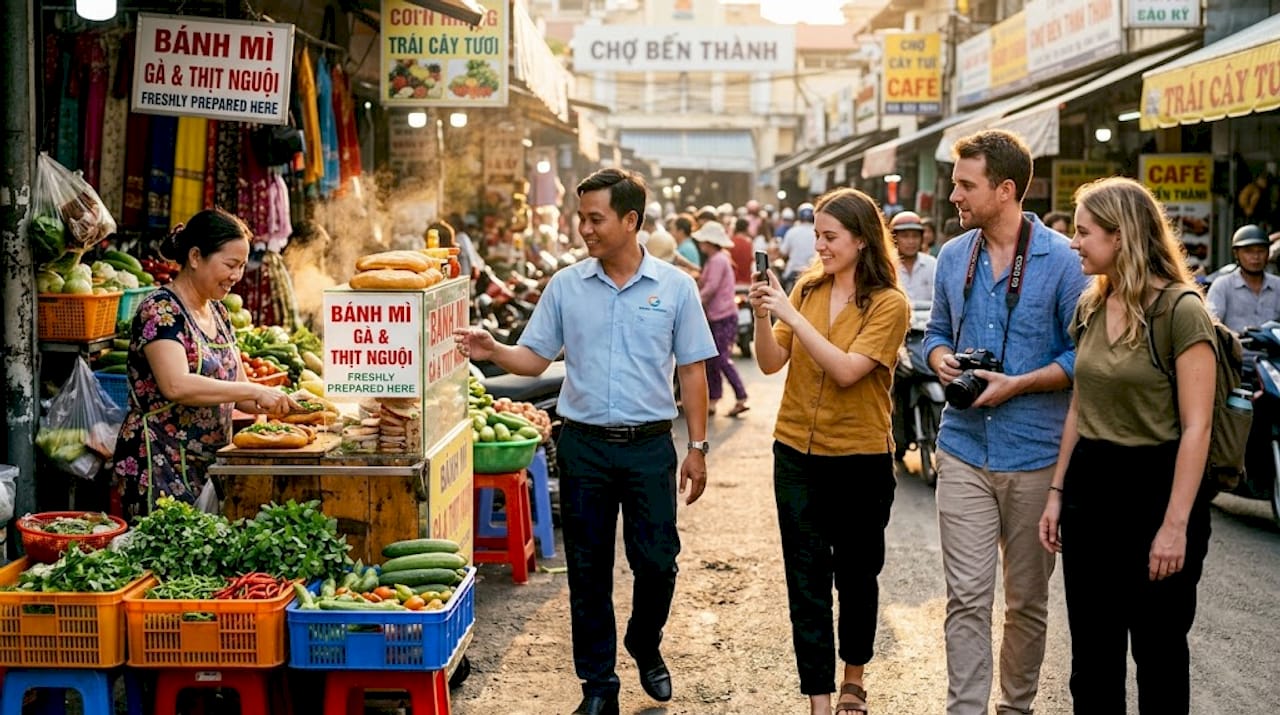
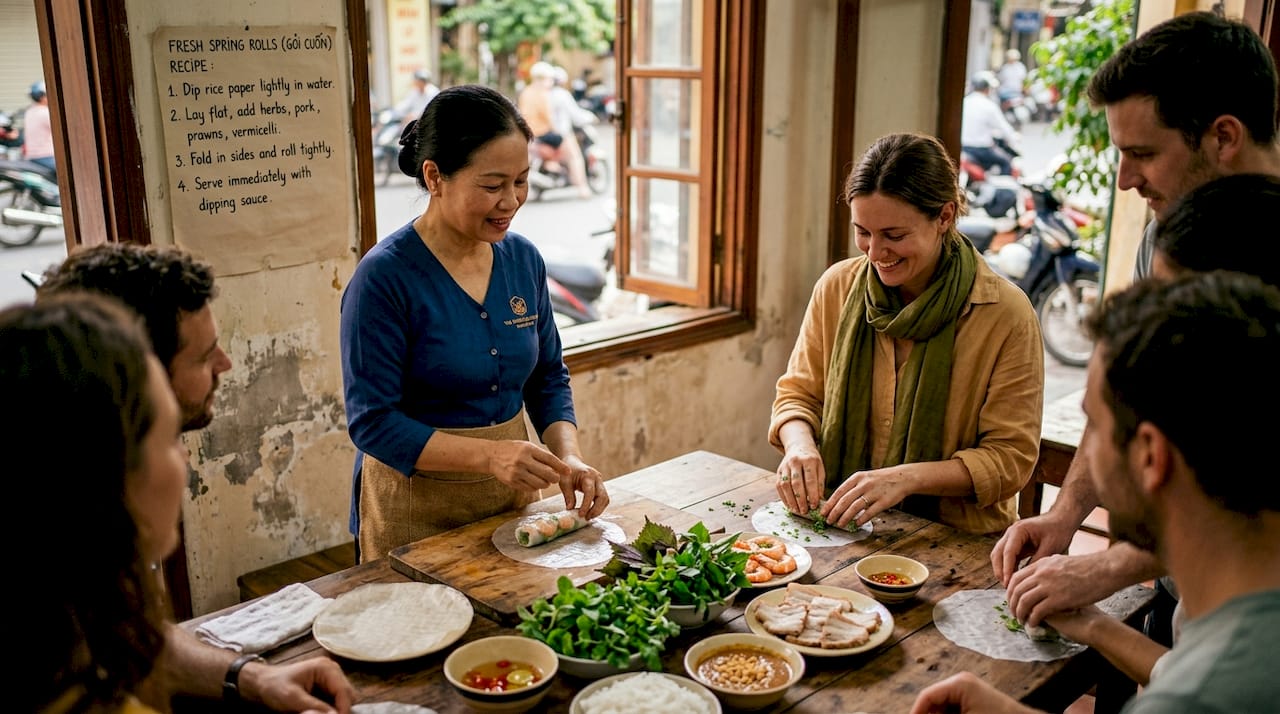
This is why experiences like Vietnamese cooking classes and structured local market tours from reputable providers consistently outperform spontaneous, self-directed food wandering. The former teaches you something lasting. The latter gives you a full stomach but an empty cultural takeaway.
The pathway from food experiences to traveller loyalty
Here is something that surprises most food travellers: the quality of your culinary experience in Vietnam does not just affect how you rate the trip. It directly influences whether you come back, and whether you recommend the destination to others.
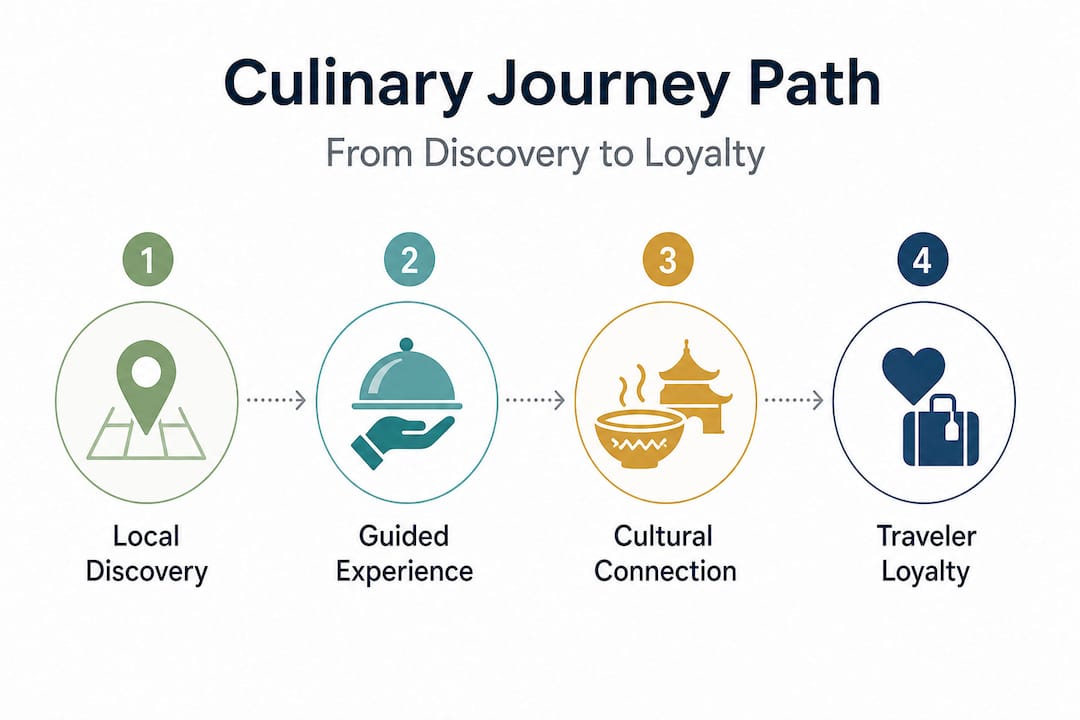
Research confirms this. Culinary tourism follows a clear pathway from destination “pull factors” and culinary destination image through to experience quality and traveller loyalty, with personal culinary involvement acting as a key moderator. In plain terms: travellers who arrive with genuine food curiosity and encounter rich, well-interpreted experiences are significantly more likely to return and spread positive word-of-mouth.
| Stage in the journey | What drives it | Outcome |
|---|---|---|
| Pull factors | Reputation of Vietnamese cuisine, social media, peer recommendations | Traveller decides Vietnam is worth visiting for food |
| Destination image | Cultural richness, regional diversity, perceived authenticity | Expectations are shaped before arrival |
| Culinary experience | Guide quality, storytelling, safety, flavour | Memories are formed during the visit |
| Culinary involvement | Personal passion for food, willingness to engage deeply | Amplifies satisfaction at every stage |
| Loyalty | Satisfaction, emotional resonance, social sharing | Return visits and recommendations |
This pathway matters for Singaporean travellers because we tend to arrive with high culinary involvement. We are a culture that queues for char kway teow, debates laksa recipes, and takes hawker food seriously. That same discernment, applied to Vietnamese cuisine, amplifies the satisfaction effect enormously.
- Start by researching Vietnam’s distinct culinary regions before you travel, not just the famous dishes
- Engage your guide as an interpreter, not just a logistics manager
- Visit local markets in the morning before produce is picked over
- Take a structured cooking class that explains technique and cultural context
- Document your food experiences with notes or voice memos, not just photographs
- Ask questions about ingredient sourcing and regional variations at every meal
- Share your experiences through reviews and social conversations to help raise the standard of culinary tourism overall
Exploring the rich depth of the Hanoi street food guide is a perfect example of how a single city district can offer this kind of layered, loyalty-building experience when approached with genuine curiosity and the right guide.
Current challenges and evolving trends in Vietnamese culinary tourism
Vietnam’s culinary reputation is extraordinary. International media consistently ranks its dishes among the world’s best. Hanoi’s bun cha, Hoi An’s cao lau, and Ho Chi Minh City’s banh mi have achieved genuine global recognition. But recognition and standardisation are not the same thing.
Vietnam’s culinary reputation remains stronger at the image level than at the level of sustainable, standardised tourism products. Fragmentation is a real challenge. Many culinary experiences remain spontaneous and unorganised, lacking the consistency and long-term strategic planning needed to serve international visitors reliably.
Here is how organised and spontaneous culinary experiences compare in practice:
| Factor | Organised culinary tour | Spontaneous street food exploration |
|---|---|---|
| Food safety assurance | High (vetted kitchens, certified operators) | Variable (no oversight) |
| Cultural interpretation | Deep (trained guides, curated narrative) | Minimal (context is self-generated) |
| Consistency | Reliable across visits | Highly dependent on timing and luck |
| Suitability for first-time visitors | Excellent | Challenging without local knowledge |
| Value for culinary tourists | Maximum | Limited to the adventurous and experienced |
“The gap between Vietnam’s culinary reputation and the actual quality of structured culinary tourism products is one of the industry’s biggest unresolved challenges. Fixing it requires investment in training, standards, and long-term product development.”
Pro Tip: Seek out operators who explicitly mention consistency in their service standards and who describe how their guides and chefs are trained. Generic descriptions about “authentic experiences” without operational detail often signal a lack of true product development.
The encouraging news is that Vietnam is actively working to close this gap. National tourism bodies are investing in culinary certification programmes, regional food festivals are being professionalised, and forward-thinking operators are building structured products that combine street food culture with expert interpretation. The trajectory is positive. But for Singaporean travellers planning a trip today, choosing a structured, reputable provider remains the most reliable path to a genuinely rewarding culinary journey. Understanding the packaged tour advantages is worth your time before you finalise any itinerary.
A Singaporean perspective: what most guides miss about culinary tourism in Vietnam
Here is an honest observation, based on years of curating Vietnam experiences for Singaporean travellers. Most tour brochures sell Vietnamese culinary tourism as a series of tastings. Eat here, eat there, take a photograph of the soup. That is not culinary tourism. That is a food crawl with a map.
What Singaporean travellers genuinely deserve from a Vietnamese food journey is interpretive depth. We come from a culture where the story behind a dish matters. Ask any Singaporean why Hainanese chicken rice is not just chicken and rice, and they will tell you about migration, adaptation, and the labour of a community trying to recreate something from memory. Vietnamese cuisine offers exactly that kind of depth at every meal. The tragedy is that too many tours do not unlock it.
The dimension most guides miss is cross-cultural translation. A Vietnamese guide who can speak fluent English but cannot translate the cultural meaning of a dish into a framework that resonates with a Singaporean palate is only doing half the job. The best guides understand their guests’ food background and use it as a bridge. They might say, “Think of this fermented shrimp paste the way you think of belachan. It is the umami anchor that makes everything around it make sense.” That single sentence changes how you taste the dish.
Discerning Singaporean travellers should actively raise expectations when engaging with culinary tour operators. Ask how guides are trained. Ask whether chefs can explain the philosophy behind their cooking, not just the steps. Ask whether the itinerary connects food experiences to the broader cultural narrative of the city or region. These are not unreasonable demands. They are the baseline for genuinely memorable culinary tourism.
Exploring the top Vietnam cities through a culinary lens means understanding that each city has a distinct food personality shaped by its history. Do not let a generic brochure flatten that richness into a list of must-eat dishes.
Plan your own Vietnamese culinary adventure
Vietnamese culinary tourism, when done well, changes the way you understand both food and travel. The stories you carry home from a Hanoi market or a Hoi An cooking class stay with you far longer than any restaurant meal.
At Vietnam Tour Package, we specialise in curated Vietnam experiences designed specifically for Singaporean travellers who want more than a surface-level trip. Our packages span Hanoi, Ho Chi Minh City, Hoi An, Da Nang, and beyond, with expert local guides trained in cultural interpretation and food storytelling. Every itinerary is crafted to connect you with authentic culinary experiences while meeting the safety and service standards you expect. Whether you are planning a short culinary escape or an extended food journey across multiple regions, reach out via WhatsApp and let us build an experience worth coming back for.
Frequently asked questions
What makes Vietnamese culinary tourism different from regular food tours?
Vietnamese culinary tourism focuses not only on tasting but also on stories, culture, and ingredient history, making each experience a genuine lens into local life. As Vietnam positions cuisine as a core national product, dishes become destination stories rather than simple menu items.
How can I tell if a culinary tour in Vietnam is high quality?
Look for guides with storytelling skills, food safety credentials, and itineraries that connect dishes to their cultural context. Quality culinary tourism depends on trained human resources who can interpret cuisine through culture and history, not simply serve it.
Are all Vietnamese culinary tours well organised and safe?
Not all of them. Many culinary experiences remain fragmented and unstandardised, so it is worth choosing reputable providers with structured itineraries and verifiable food safety practices.
Which Vietnamese cities are best for culinary tourism?
Hanoi, Ho Chi Minh City, Hoi An, and Hue are consistently recognised for their rich food cultures, regional dish diversity, and growing range of well-curated culinary tourism experiences suited to international visitors.
Recommended
- Mekong Delta Food Guide for Singapore Travellers | VietnamTourPackage.sg
- Vietnam Local Market Food Tour Guide | VietnamTourPackage.sg
- Vietnamese Cooking Classes for Singapore Travellers | VietnamTourPackage.sg
- Hoi An Street Food Guide for Singaporeans | VietnamTourPackage.sg