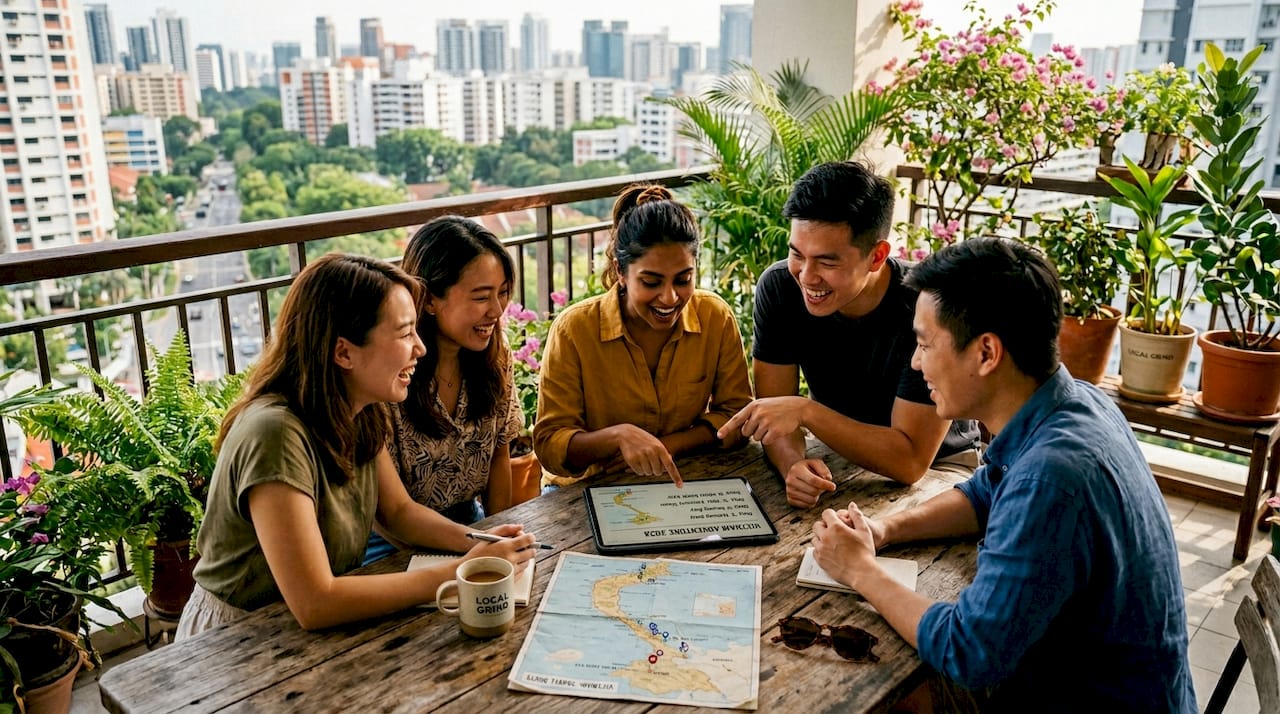
Discover what a curated travel package is and how it tailors trips to your interests, ensuring unique experiences. Learn more now!
What is a curated travel package?
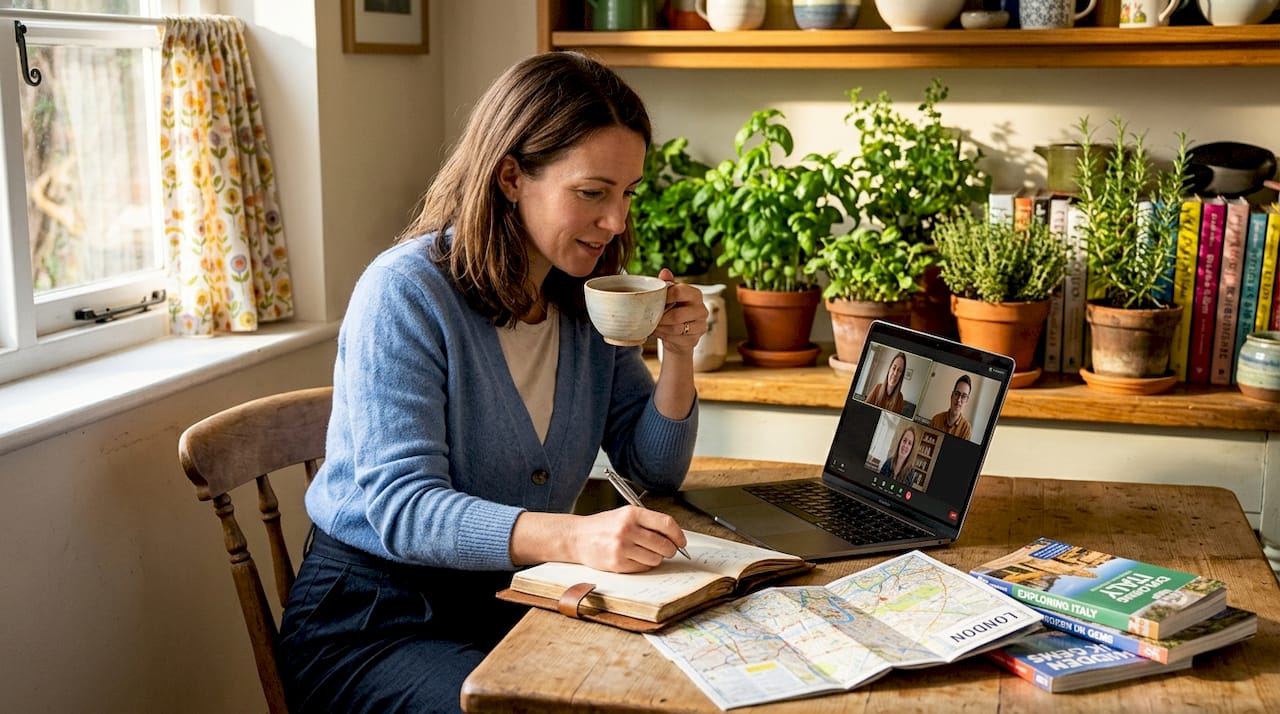
TL;DR:
- A curated travel package is a personalized itinerary designed around your interests, pace, and preferences by local experts. It offers exclusive access, immersive experiences, and flexible pacing, differentiating it from standard tours with fixed schedules and group sizes. Properly curated trips involve thorough planning, genuine customization, and trusted local relationships, but they also come at a premium and require careful verification of the curator’s expertise.
Most travellers assume a travel package is just a bundle of flights, hotels, and a few ticked boxes. A curated travel package is something else entirely. Where standard tours are built to satisfy the average traveller, a curated package is designed around you: your pace, your interests, your idea of what makes a trip worthwhile. This article breaks down exactly what that means, how the planning process works, what you should expect to receive, and how to tell the real thing from a generic tour dressed up with marketing language.
Table of Contents
- Key takeaways
- What is a curated travel package, exactly?
- What sets curated travel experiences apart
- How the planning process actually works
- Benefits and real considerations
- How to choose the right curated package
- My honest take on curated travel
- Explore curated Vietnam tours from Singapore
- FAQ
Key takeaways
| Point | Details |
|---|---|
| Curation means personalisation | Expert-designed trips are shaped around your preferences, not a fixed template applied to every booking. |
| Local expertise is central | Trusted local guides and operators are selected specifically for each traveller’s style, not sourced from a catalogue. |
| Discovery shapes the outcome | An upfront consultation capturing your interests and constraints directly determines the quality of the final itinerary. |
| Higher cost, higher return | Curated trips cost more than mass-market options but deliver time savings, exclusive access, and meaningful experiences. |
| Know what to verify | Ask specifically how the itinerary was tailored and who handles third-party components before you book. |
What is a curated travel package, exactly?
The word “curated” gets used loosely in travel marketing, so it is worth establishing a clear definition before anything else. In the industry, the recognised term for this type of trip is a bespoke or tailor-made tour. A curated travel package, used interchangeably with these terms, refers to an itinerary that a travel expert designs specifically for a traveller based on detailed knowledge of who they are and what they want.
This is not the same as choosing from three pre-set tour options and picking the one closest to your preferences. Authentic curation means a human being has tailored the itinerary from a detailed traveller profile, not applied a generic template. The curator draws on established relationships with local operators, accommodation providers, and guides to assemble a trip that would be difficult or impossible for most travellers to replicate on their own.
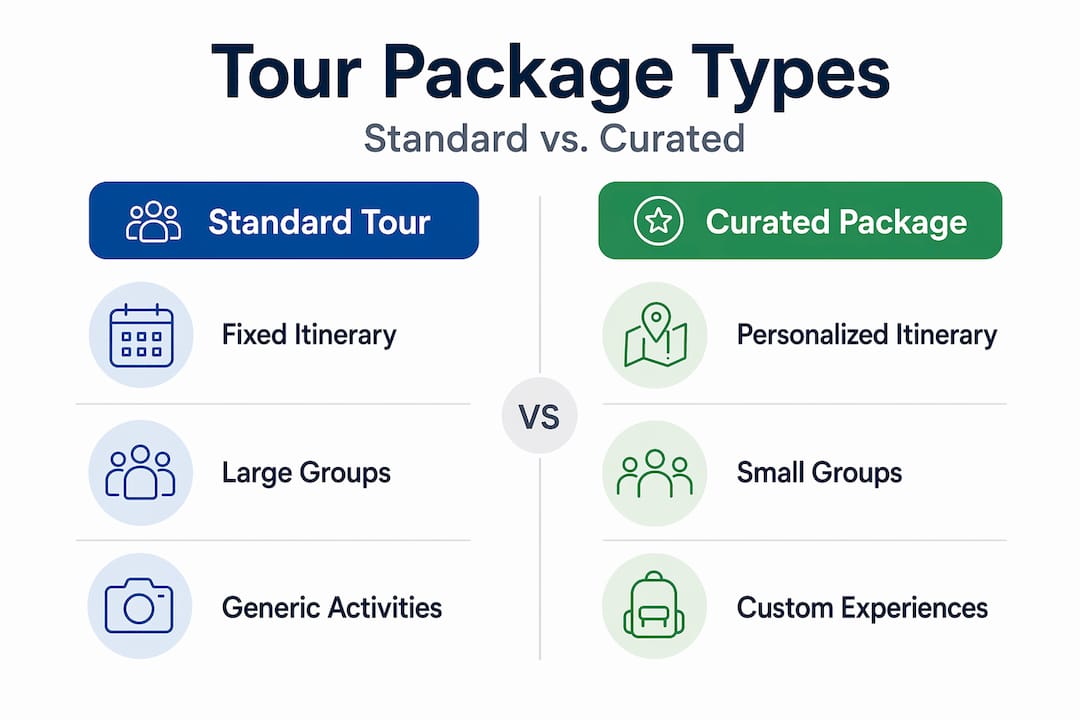
Here is how a curated package typically contrasts with a standard package tour:
| Feature | Standard package tour | Curated travel package |
|---|---|---|
| Itinerary design | Fixed for all travellers | Shaped around individual preferences |
| Group size | Large groups, often 20+ | Private or small group, often under 10 |
| Guide selection | Assigned generically | Matched to traveller temperament |
| Flexibility | Minimal scope for changes | Adaptable before and sometimes during travel |
| Access | Popular, high-traffic sites | Includes exclusive or off-the-beaten-track options |
| Planning input | None required from traveller | Detailed discovery process precedes booking |
The primary value of curation lies in selecting trusted providers and aligning them to your actual goals, not simply upgrading a mass-market product with a slightly nicer hotel.
Pro Tip: Ask any operator claiming to offer curated travel one direct question: “What specifically about my preferences changed this itinerary?” If they cannot answer clearly, the trip is not truly curated.

What sets curated travel experiences apart
Once you understand the definition, the next question is: what does a well-curated trip actually feel like on the ground? The answer comes down to several distinguishing features that separate curated travel experiences from a standard itinerary.
- Personalised accommodation and dining. Rather than assigning the nearest four-star hotel, a curator selects a property suited to your priorities. A couple on a honeymoon might receive a boutique riverside guesthouse. A solo traveller wanting cultural immersion might be placed in a family-run residence in a local neighbourhood.
- Private or small-group access. Curated tours favour smaller groups or entirely private arrangements. This changes the experience substantially. You move at your pace, your guide can go deeper on topics you care about, and you spend less time waiting.
- Hands-on and immersive activities. Curated experiences prioritise community-led expertise, exclusive access, and narrative context. Think a private cooking class with a local family rather than a demonstration in a tourist restaurant, or an early-morning market visit with a guide who has shopped there for years.
- Exclusive local access. Some of the most memorable moments in curated travel come from access that money alone cannot buy through standard bookings. Private tastings, artisan workshops, or after-hours visits are typical examples. These are only possible through the curator’s existing local relationships.
- Flexible pacing. Curated trips are not rigid schedules. Well-structured packages blend planned moments with open time, so you can follow the itinerary or deviate when something catches your interest.
The shift in focus from ticking off landmarks to building genuine connections with a place is what transforms tourism marketing and, more importantly, what transforms the traveller’s experience.
How the planning process actually works
The planning phase of a curated package is where the real work happens. It is also the part most travellers underestimate. Understanding it helps you arrive better prepared and get more out of the process.
- Discovery consultation. Most reputable curators begin with a structured conversation, often a call lasting 30 to 60 minutes, to understand your travel style, interests, group composition, budget, and any constraints. A thorough discovery process capturing nuanced preferences is what directly determines itinerary quality.
- Proposal development. The curator uses your inputs to draft a tailored proposal. This includes accommodation options, a day-by-day itinerary, activity recommendations, and often pricing breakdowns. You review and respond with feedback.
- Coordination of providers. Once the itinerary is confirmed, the curator coordinates all third-party services: accommodation bookings, private transport, guide reservations, and specialist activities. Some activities within curated packages are led by third-party partners, so the curator’s role includes managing those relationships and booking responsibilities.
- Pre-trip preparation. A good curator provides detailed travel notes, local context, and contact information so you arrive informed. You should know what to expect at each step.
- In-trip and post-trip support. Problems happen. Flights change. Plans shift. The value of a curator becomes most visible when something goes wrong and someone is available to help you adapt quickly.
Pro Tip: Be as honest and specific as possible during the discovery call. Sharing details like mobility limits or dietary needs directly improves how well the itinerary serves you. Withholding information to seem low-maintenance usually results in a trip that fits less well.
You can read more about why this kind of planning pays off in practice by exploring how packaged tours reduce stress for travellers who would otherwise spend weeks organising every component themselves.
Benefits and real considerations
The benefits of curated travel are genuine, but so are the trade-offs. Here is an honest look at both.
What works in your favour:
- Reduced planning burden. You spend hours rather than weeks assembling a trip.
- Personalisation at a level that DIY travel rarely achieves, particularly in unfamiliar destinations where local knowledge is the difference between a great experience and a forgettable one.
- Exclusive access and local insights that are simply not available through standard booking platforms.
- A single point of contact who understands your full trip and can act when adjustments are needed.
What to weigh carefully:
- Cost. Curated travel is not the cheapest option. Bespoke services, private guides, and smaller group logistics all carry a price premium. If your priority is minimising spend, a curated package is unlikely to be the right fit.
- Complexity of changes. Third-party components within curated packages may have their own cancellation policies and booking conditions. Knowing who manages each element before you sign anything is worth the effort.
- Dependence on the curator’s judgement. Your trip is only as good as the curator’s knowledge and honesty. This is why reputation, references, and a clear sense of their local expertise matter so much.
Curated travel suits experienced travellers, time-conscious professionals, families with specific needs, and anyone for whom the depth of the experience outweighs the appeal of saving money. If you are comparing private tours versus group options, understanding these trade-offs helps you decide which format fits best.
How to choose the right curated package
Selecting the right curator is as important as selecting the destination. A few things worth checking before you commit:
- Verify local connections. Ask specifically which local operators, guides, and accommodation providers the curator works with. Depth of relationships is what separates a genuine curator from someone reselling standard packages with a polished pitch.
- Test the personalisation. Request a sample itinerary or ask how a recent trip was adjusted for a specific traveller need. Real customisation leaves visible traces in the details.
- Clarify third-party responsibilities. Understand which parts of the itinerary are handled directly by the curator and which involve external providers with their own booking terms.
- Assess communication quality. How responsive and specific are they before you have paid anything? Vague, slow communication at the inquiry stage usually signals more of the same once money has changed hands.
- Be transparent about your constraints. A reputable curator will design a better trip if you are upfront about budget limits, health considerations, travel anxiety, or anything else that shapes how you experience a destination.
Pro Tip: Checking if a human tailored the itinerary based on your specific inputs rather than repackaging a standard plan is the single clearest indicator of genuine curation. Ask for evidence of this before you book.
My honest take on curated travel
I have watched travellers come back from supposedly curated trips looking puzzled rather than transformed. Not because the hotels were poor or the guides unfriendly, but because the trip was never really built for them. It was built for a generic version of someone who ticked similar boxes on a booking form.
What I have found is that genuinely curated travel unlocks a different kind of memory. Not “we went to Ha Long Bay” but “we had dinner with a fishing family after our guide spent twenty years building that relationship.” The difference is not the destination. It is the depth.
That said, I want to be candid. Curated travel is not always the right choice. If you are spontaneous by nature and find rigid structures stressful, a loosely planned trip with good accommodation as a base will probably serve you better. And if cost is a genuine constraint, there are well-run small group tours that offer most of the benefits without the bespoke price tag.
The misunderstanding I see most often is the assumption that paying more automatically means getting a more personalised trip. It does not. What you are actually paying for is access to expertise and relationships you cannot buy directly. If a curator cannot clearly explain the relationships underpinning the itinerary, the premium is not justified.
Approach any curated travel offer with curiosity rather than trust. Ask questions. Expect specifics. The answers will tell you everything.
— Kuan
Explore curated Vietnam tours from Singapore
If Vietnam is on your list, Vietnamtourpackage offers a range of personally designed packages built around real local partnerships, private transport, and guided experiences across destinations including Hanoi, Da Nang, and Ho Chi Minh City.
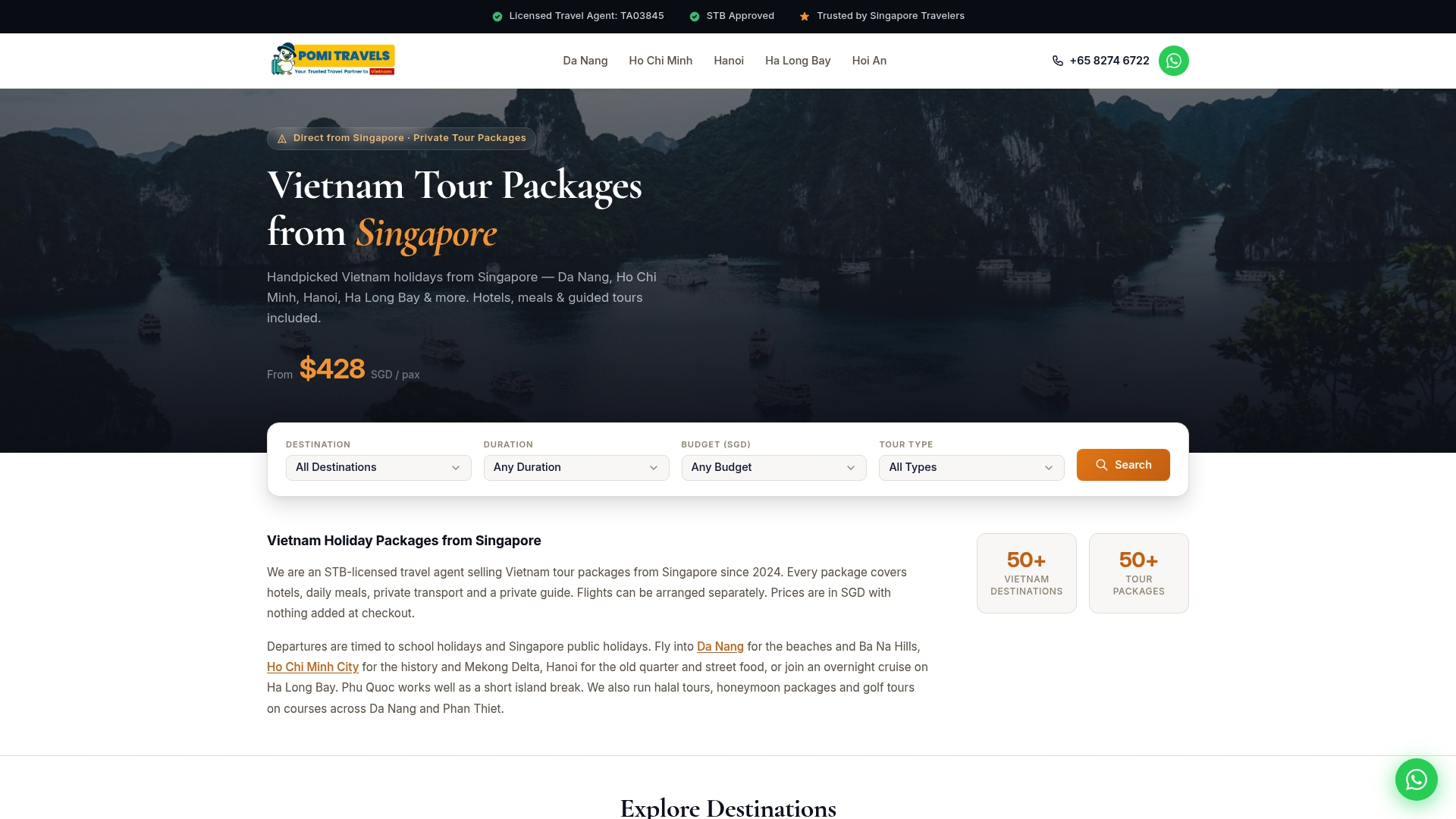
Each itinerary includes accommodation, meals, activities, and transfers coordinated in one place, so you spend your time travelling rather than managing logistics. The Vietnam tour packages starting from $428 SGD cover multiple trip lengths and themes, from family travel to honeymoon escapes. For a focused cultural experience, the Hanoi 3D2N tour is a strong starting point, while the Ho Chi Minh 4D3N itinerary suits those wanting an immersive urban experience. WhatsApp enquiries are welcome for personalised consultation.
FAQ
What does a curated travel package include?
A curated travel package typically includes accommodation, private transport, guided activities, and selected dining, all coordinated around the traveller’s personal preferences rather than a fixed template.
How is a curated travel itinerary different from a standard tour?
A curated travel itinerary is designed specifically for the individual traveller based on an upfront discovery process, whereas a standard tour follows a fixed programme applied to all participants regardless of preferences.
Are curated travel packages more expensive?
Yes, curated packages generally cost more than mass-market tours because they involve bespoke services, smaller groups, private guides, and extensive pre-trip coordination. The premium reflects access to expertise and exclusive experiences.
How do I know if a package is genuinely curated?
Ask the operator to explain specifically how your itinerary differs from others they have arranged. Evidence of traveller-specific adjustments to pace, content, and guide selection confirms authentic curation rather than relabelled standard tours.
Who is curated travel best suited for?
Curated travel works best for travellers who value depth of experience over cost savings, have specific interests or constraints, or are visiting a destination where local expertise makes a meaningful difference to the quality of the trip.
Recommended
- Why book a packaged tour: stress-free Vietnam holidays | VietnamTourPackage.sg
- Vietnam Tour Packages from $428 SGD
- Private tour booking steps for a seamless Vietnam trip | VietnamTourPackage.sg
- Hanoi 5-Star 4D3N: Sapa & Ha Long Bay