Discover how meal inclusions in Vietnam tour packages shape your cultural experience, save costs, and help Singaporean travellers get the most from...
The real role of meals in Vietnam tour packages
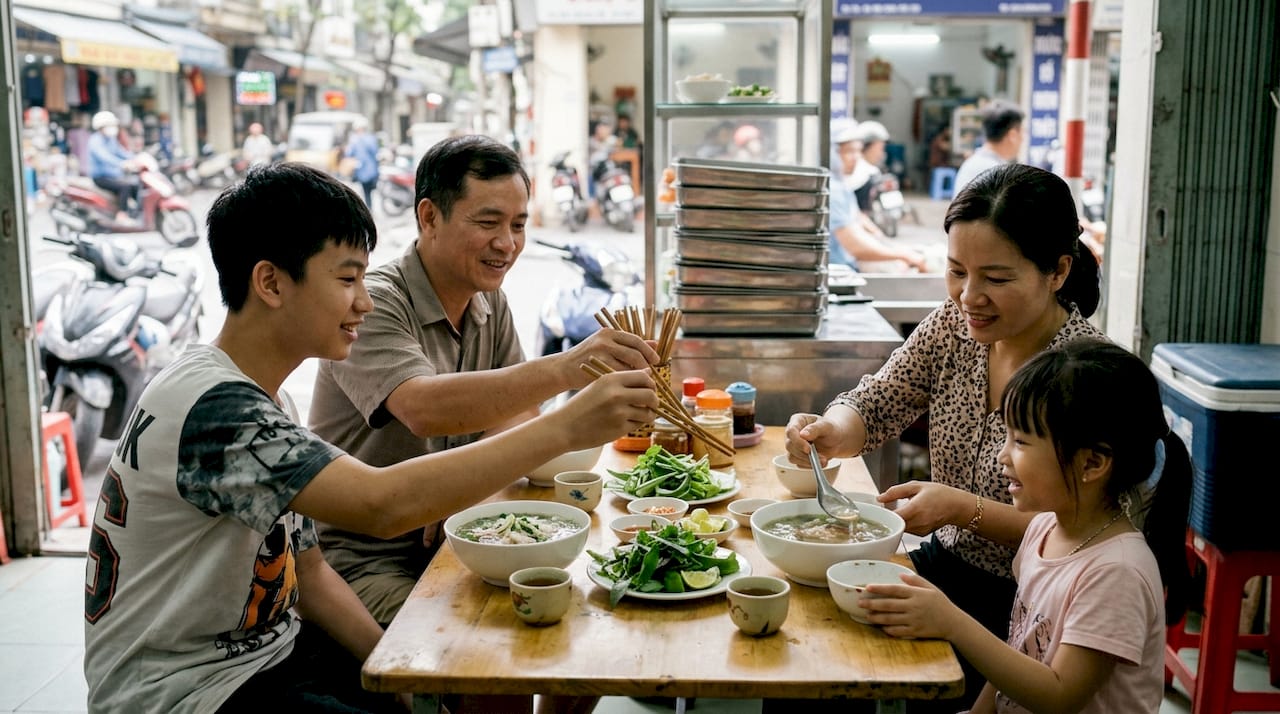
TL;DR:
- Meals in Vietnam tours offer authentic cultural experiences and regional specialties.
- Included meals provide convenience, cost savings, and social opportunities for travelers.
- Tour packages can be tailored to dietary needs and preferred meal plans for a meaningful experience.
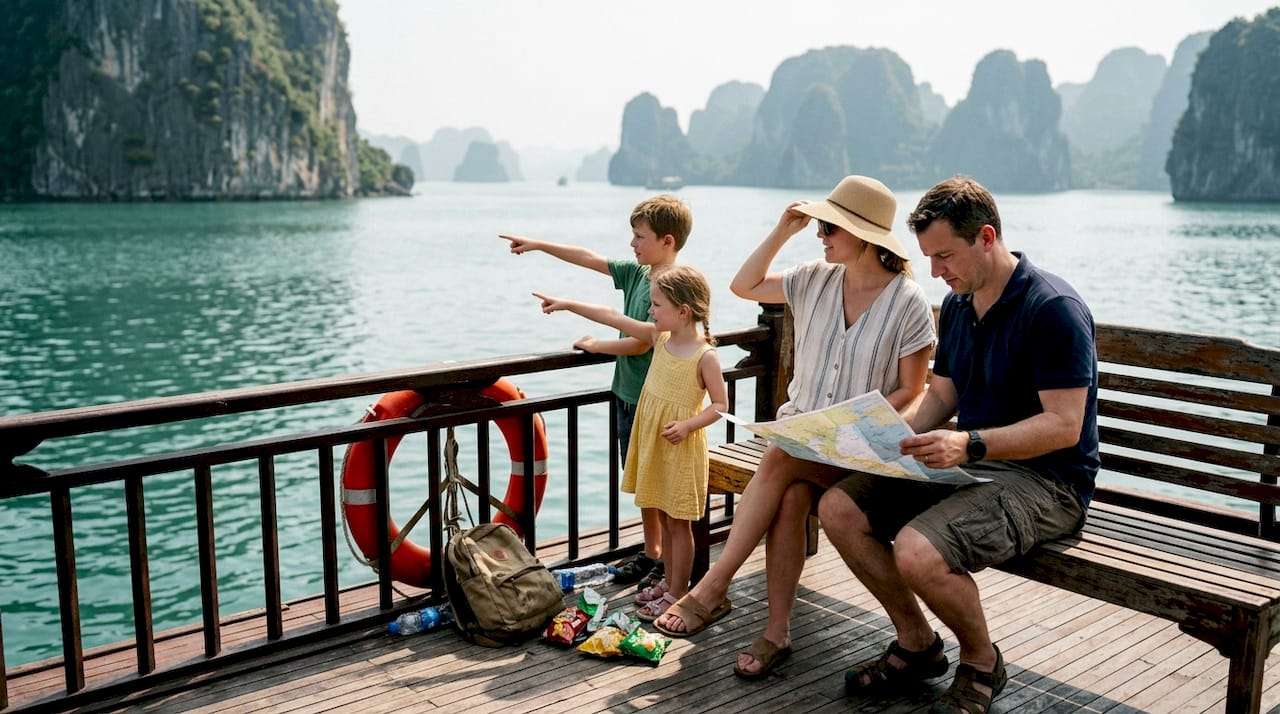
Most Singaporean travellers spend hours comparing sightseeing itineraries, hotel star ratings, and flight times when planning a Vietnam holiday. Meals? They barely get a second glance. Yet the food experiences woven into your tour package can shape how you feel about the entire trip. Whether you are sitting down to a steaming bowl of pho in Hanoi or sharing fresh seafood with your group along Ha Long Bay, meals are far more than fuel. They are the moments you will actually remember. This article breaks down why meal inclusions matter, what you can expect, and how to choose the right approach for your group.
Table of Contents
- Why meals matter in Vietnam tour packages
- What’s typically included: Meal formats and options
- How meals enhance cultural immersion
- Comparing meal plans: Self-catering, set menus, or total freedom?
- Why the right meal choices make all the difference for Singaporean travellers
- Find your ideal Vietnam tour with curated meals
- Frequently asked questions
Key Takeaways
| Point | Details |
|---|---|
| Meals as cultural highlights | Tour meals provide authentic access to Vietnamese food and traditions you might miss on your own. |
| Variety and flexibility | Packages offer diverse meal styles, from local specialities to options for dietary needs and custom menus. |
| Cost and convenience | Included meals help Singaporean travellers budget and save time, especially in places where navigating food can be tricky. |
| Personalised experiences | Top tour operators allow you to tailor meal inclusions for memorable and hassle-free holidays. |
Why meals matter in Vietnam tour packages
Food is central to Vietnamese culture in a way that is hard to overstate. Street stalls, family-run restaurants, and floating markets are not just places to eat. They are windows into how Vietnamese people live, celebrate, and connect. When your tour package includes meals at these kinds of venues, you are not just saving money. You are buying access to experiences that most independent travellers miss entirely.
One of the biggest practical advantages is time. Vietnam’s cities are vibrant but unfamiliar. Spending 45 minutes trying to find a restaurant that suits your group’s preferences, then waiting another 30 minutes for a table, eats into sightseeing time fast. Included meals remove that friction entirely. Your guide knows where to go, the table is ready, and you are back on the road before the afternoon heat peaks.
Cost efficiency is another underrated benefit, especially for families and groups. Individual restaurant meals in tourist areas of Ho Chi Minh City or Da Nang can add up quickly. A well-structured package absorbs those costs and spreads them across the group, making the per-person price far more reasonable.
There is also a persistent myth worth addressing: that included meals are generic, buffet-style affairs designed to offend no one and delight no one. This is simply not true of quality Vietnam tour packages. Authentic local cuisine and regional specialities are a genuine part of what reputable operators serve. Think banh xeo (sizzling crepes) in Hoi An, bun bo Hue in Central Vietnam, and grilled river fish in the Mekong Delta.
Here is a quick summary of what good meal inclusions actually deliver:
- Authentic exposure to regional Vietnamese dishes you would not find on your own
- Logistical ease, with no time wasted searching for suitable restaurants
- Cost savings for families and larger groups
- Built-in social moments that bring your travel group together
- Guided context from local experts who explain what you are eating and why it matters
“Meals allow travellers to sample authentic local cuisine and regional specialities,” reflecting the genuine cultural depth that thoughtful Vietnam tour inclusions can offer.
What’s typically included: Meal formats and options
Understanding what you are actually getting before you book saves a lot of disappointment. Meal inclusions vary significantly between budget and premium packages, and the details matter.
Most standard packages include daily hotel breakfast, which in Vietnam typically means a mix of Western options (toast, eggs, fruit) alongside local favourites like congee or pho. Some hotels in Hanoi and Ho Chi Minh City serve genuinely impressive breakfast spreads. Group lunches are usually included on full-day excursion days, often at local restaurants along the route. Welcome and farewell dinners are a common feature in mid-range and premium packages, and these tend to be the most memorable meals of the trip.
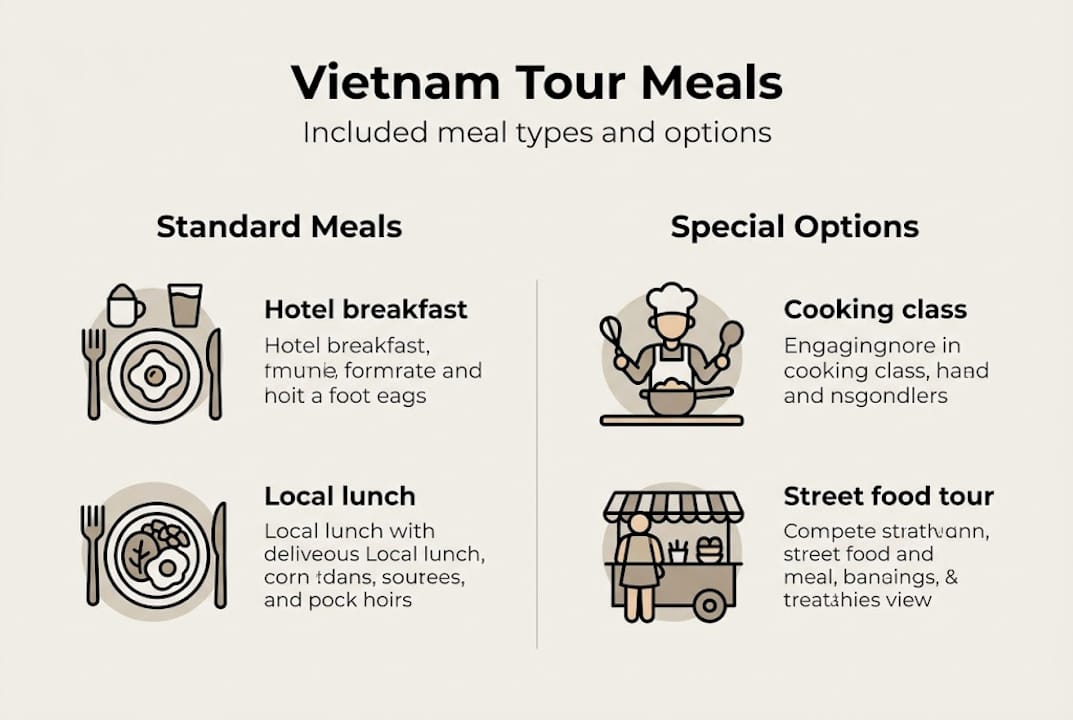
Most packages specify which meals are included, such as daily breakfast and select lunch or dinner at local eateries, so always read the itinerary carefully before confirming your booking.
Here is a comparison of typical meal inclusions across package tiers:
| Package type | Breakfast | Lunch | Dinner | Special experiences |
|---|---|---|---|---|
| Budget | Hotel buffet | Selected days | Welcome dinner only | None |
| Mid-range | Hotel buffet | Most days | Welcome and farewell | Street food tour |
| Premium | À la carte | Daily | Daily, fine dining | Cooking class, market visit |
Beyond the standard formats, many operators now offer optional add-ons such as street food walking tours, cooking classes, and visits to local wet markets. These are worth considering if food is a priority for your group.
Special dietary requirements, including vegetarian, vegan, and halal options, can often be accommodated. The key is to flag these at the time of booking rather than on arrival.
Pro Tip: Always ask your tour operator for a full meal schedule before you confirm. A good operator will tell you exactly which meals are included, at what type of venue, and whether dietary alternatives are available.
How meals enhance cultural immersion
There is a difference between eating in Vietnam and experiencing Vietnamese food culture. The former is something any tourist can do. The latter requires context, access, and a little guidance.
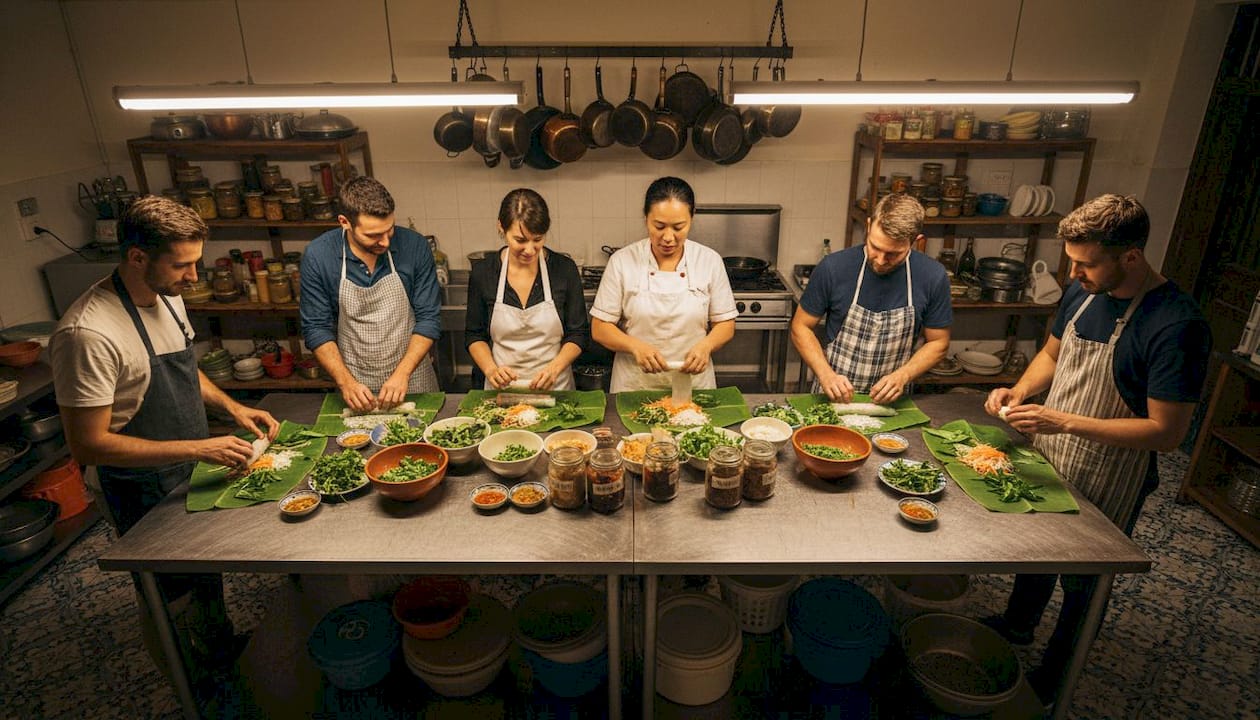
A typical group meal on a quality Vietnam tour follows a satisfying rhythm. It usually begins with shared starters: spring rolls, pickled vegetables, or a light soup. The main course arrives family-style, with multiple dishes placed at the centre of the table for everyone to share. This communal approach is deeply embedded in Vietnamese dining culture and immediately creates a sense of togetherness among your group. Dessert is often something unexpected, like che (sweet bean soup) or fresh tropical fruit.
Here is how a signature group meal typically unfolds:
- Arrival at a family-run restaurant or local eatery chosen by your guide
- Brief introduction to the dishes being served and their regional significance
- Shared starters served communally at the table
- Main dishes placed at the centre for the group to share
- Dessert, often featuring local fruits or traditional Vietnamese sweets
- Opportunity to ask questions, take photos, and interact with the restaurant owners
The setting matters as much as the food. Eating at a rural family home in the Mekong Delta or a floating restaurant on Ha Long Bay is a fundamentally different experience from a hotel dining room. These are the meals that tour meals frequently introduce travellers to, connecting regional Vietnamese dishes and food traditions in ways that linger long after the trip ends.
“The best meals I have had on tour were not in fancy restaurants. They were in places I never would have found on my own, eating things I could not name but will never forget.”
For travellers with specific needs, custom Vietnam tours can be structured around vegetarian or halal menus without compromising on the authenticity of the experience.
Comparing meal plans: Self-catering, set menus, or total freedom?
Not every traveller wants the same level of structure around meals. Some love the ease of having everything arranged. Others want the freedom to wander into a random pho stall at midnight. The good news is that Vietnam tour packages now cater to both ends of this spectrum.
Some packages offer full-board, while others let travellers choose their own meals for maximum flexibility. Here is a breakdown of the three main approaches:
| Meal plan | Pros | Cons | Best for |
|---|---|---|---|
| Full board (all meals included) | Maximum convenience, cost predictable, cultural exposure guaranteed | Less spontaneity, fixed venues | Families, first-time visitors, seniors |
| Partial meals (set menus) | Balance of structure and freedom | Requires some planning | Couples, small groups |
| No meals (DIY) | Complete flexibility, explore independently | Time-consuming, can be costly | Solo travellers, food enthusiasts |
For most Singaporean families travelling with children or elderly relatives, full-board packages offer the most stress-free experience. You know what to expect, dietary needs can be pre-arranged, and no one has to make decisions when they are tired and hungry after a long day of sightseeing.
For couples or smaller groups who want to mix structure with spontaneity, partial meal packages strike a good balance. You get the organised group lunches and welcome dinners, but you also have evenings free to explore night markets and local eateries on your own terms.
Pro Tip: Think carefully about your group’s mobility and energy levels before choosing a meal plan. A full-board package is often worth the slightly higher price for groups with young children or anyone who finds decision fatigue a real issue when travelling.
Why the right meal choices make all the difference for Singaporean travellers
Singaporeans have one of the most sophisticated food cultures in the world. Hawker centres, diverse cuisines, and high expectations around freshness and flavour are part of daily life. This is actually why meal inclusions in Vietnam tours deserve more attention, not less.
The assumption many Singaporean travellers make is that because they are already familiar with Vietnamese food at home, the meals on tour will not surprise them. That assumption is wrong. The regional diversity of Vietnamese cuisine is extraordinary. What you eat in Hanoi tastes nothing like what is served in Hoi An or the Mekong Delta. Tour meals, when well-curated, introduce you to versions of dishes that simply do not travel well and are not available in Singapore.
The deeper issue is that travellers who focus entirely on sightseeing and shopping often return home feeling like they saw Vietnam but did not really feel it. Shared meals at local venues, especially those arranged as part of a thoughtful itinerary, create the kind of grounded, sensory memories that define a truly meaningful trip. A private cooking session in a village kitchen or a market breakfast with your guide are not extras. They are the heart of the experience.
Find your ideal Vietnam tour with curated meals
Now that you understand how much meals shape a Vietnam holiday, it makes sense to choose a package that takes dining as seriously as the destinations.
At vietnamtourpackage.sg, we offer a wide range of Vietnam tour deals built around authentic culinary experiences, from street food tours in Ho Chi Minh City to seafood dinners on Ha Long Bay. Whether you are travelling as a family, a couple, or a group of friends, our customisable Vietnam packages can be tailored to your dietary preferences, travel pace, and budget. Speak to us via WhatsApp to get started and let us help you plan a trip where every meal is worth remembering.
Frequently asked questions
Are vegetarian and halal meals available on Vietnam tour packages?
Yes, most tour operators can accommodate dietary needs if you request them during booking. Special dietary needs can often be accommodated if arranged ahead, so flag your requirements early.
Can I opt out of included meals to try street food instead?
Some packages allow meal flexibility, so you can choose your own dining options or focus on local street food. Some packages offer travellers the choice to arrange their own meals, depending on the itinerary structure.
Do meal-inclusive tour packages cost more?
They may cost slightly more upfront but often save you money overall and simplify your trip. Meals can add convenience and be cost-efficient for groups, making the total value strong.
Are meals in Vietnam tour packages suitable for children?
Meals are usually family-style and can be tailored to be suitable for children on request. Tour meals often cater to different traveller groups, including families, so speak to your operator about child-friendly options.
Recommended