Discover the ultimate cultural experiences Vietnam list for Singaporeans! Immerse yourself in authentic traditions, cuisine, and rituals.
Vietnam’s top 7 cultural experiences for Singaporeans
TL;DR:
- Vietnam offers authentic cultural experiences through local participation, regional cuisines, and seasonal festivals that deepen visitor understanding. Travelers should focus on community-engaged activities, heritage sites, and food events like Hue’s culinary tours and Ho Chi Minh City’s festival for meaningful immersion. Prioritizing smaller guided tours, markets, craft villages, and festivals ensures a genuine, human connection that surpasses superficial sightseeing.
Vietnam is one of those countries that rewards curiosity more than speed. For Singaporean travellers who want something deeper than a passport stamp, the country offers a dazzling range of living traditions, regional cuisines, and communal rituals that few destinations can match. The challenge is not finding culture in Vietnam. The challenge is knowing which experiences are genuinely immersive and which are packaged performances designed to tick a tourist box. This guide cuts through the noise with a curated framework to help you choose wisely and travel meaningfully.
Table of Contents
- How to choose the right cultural experience
- Top 7 culturally immersive experiences in Vietnam
- Comparison of cultural experiences: food, tradition, accessibility
- Situational recommendations: best picks for different traveller types
- Why cultural immersion matters more than ever for Singaporean travellers
- Explore Vietnam’s best culture with tailored tour packages
- Frequently asked questions
Key Takeaways
| Point | Details |
|---|---|
| Authenticity matters | Seek experiences rooted in true local tradition for deeper understanding. |
| Culinary festivals are essential | Events like Saigontourist showcase Vietnam’s cuisine and culture on a grand scale. |
| Tailored travel for best fit | Match activities to your group size and interests to maximise cultural immersion. |
| Budget options abound | Local markets and craft villages provide genuine experiences at low cost. |
| Plan for accessibility | Prioritise experiences with guides and easy transport for hassle-free travel. |
How to choose the right cultural experience
Not every “cultural activity” listed in a brochure delivers real depth. Some are recreations staged for visitors, stripped of the spontaneity and community context that make them significant. Before you book anything, it helps to have a clear set of criteria.
Here is what separates a genuinely immersive cultural experience from a staged one:
- Local participation matters. Look for activities where Vietnamese residents are active participants, not just performers. A village craft workshop run by artisans who sell their wares locally is far more authentic than a tourist centre with identical products.
- Regional culinary variety is a strong indicator. Vietnam has distinct culinary traditions in the north, central, and south. An experience that reflects a specific regional food culture, rather than a generic “Vietnamese food” offering, signals genuine depth.
- Seasonal and festival timing amplifies everything. Certain temples, markets, and cultural sites come alive during specific religious or harvest festivals. Timing your visit around these events changes the entire nature of the experience.
- Guide language and group size shape access. Small groups with bilingual local guides open doors that large tour buses simply cannot. A guide who grew up in Hoi An will tell you things no printed pamphlet mentions.
- Budget alignment is practical, not superficial. Craft village visits and local market tours can be deeply immersive at a fraction of the cost of luxury cultural retreats. Cultural depth is not always proportional to price.
Vietnam’s phenomenal rise as a cultural destination is well documented, with travel reports noting a sharp increase in Singaporean visitors specifically seeking heritage blended with adventure. That trend reflects something important: Singaporean travellers are experienced, well-travelled, and increasingly difficult to impress with surface-level tourism.
Pro Tip: Check whether your chosen activity aligns with a local festival or community event. The same temple visit during a religious celebration involves chanting, offerings, and communal meals that a regular weekday visit simply does not replicate.
If you want to skip the guesswork entirely, culture-centred Vietnam itineraries crafted by specialists who understand what Singaporean travellers actually value are worth exploring before you finalise any plans.
Top 7 culturally immersive experiences in Vietnam
With selection criteria in mind, here are seven truly immersive activities that promise a taste of Vietnam’s authentic culture.
-
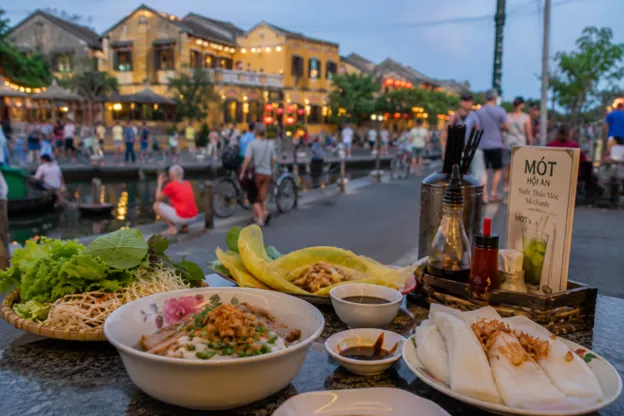
Hue culinary tours. Hue, the former imperial capital, is the undisputed culinary heart of Vietnam. Over half of Vietnam’s 3,000 dishes trace their origins to this city. A proper Hue food tour goes beyond bun bo Hue and banh beo. It takes you into family kitchens, covered market stalls, and vegetarian temple restaurants where Buddhist cooking traditions have been preserved for generations. The best time to visit is during the Hue Festival, held biennially in April and June, when the city’s culinary heritage is performed alongside music and theatre.
-
Saigontourist Culinary Culture Festival. Held annually in Ho Chi Minh City, this is not a niche event. It is the largest culinary and cultural festival in Vietnam, featuring more than 500 dishes from across the country’s regions and ethnic groups. The festival has been awarded World’s Best Culinary Festival for three consecutive years from 2023 to 2025. For Singaporeans who love food culture, this is a must-attend event. Live cooking demonstrations, traditional performances, and street food stalls run alongside vendor exhibitions from all of Vietnam’s 63 provinces.
-
Cao Dai Holy See temple visit. Located in Tay Ninh province, about 100 kilometres from Ho Chi Minh City, the Cao Dai Holy See is one of the most visually extraordinary religious sites in Southeast Asia. Caodaism blends elements of Buddhism, Taoism, Confucianism, and Christianity into a single syncretic faith. The noon ceremony, when hundreds of worshippers in white, yellow, and blue robes fill the ornate temple for prayer, is one of the most striking communal rituals you will witness anywhere. It is accessible, free to observe respectfully, and genuinely otherworldly.
-
Traditional craft villages. Vietnam has dozens of craft villages where families have practised the same trade for centuries. Bat Trang near Hanoi is famous for its hand-painted ceramics. Van Phuc in Ha Dong produces silk woven on traditional looms. Dong Ho village near Bac Ninh is known for woodblock printing using natural pigments. Visiting these villages means watching craftspeople at work, learning the historical context of each craft, and supporting local economies directly. Many villages offer short workshops where you can try your hand at the craft itself.
-
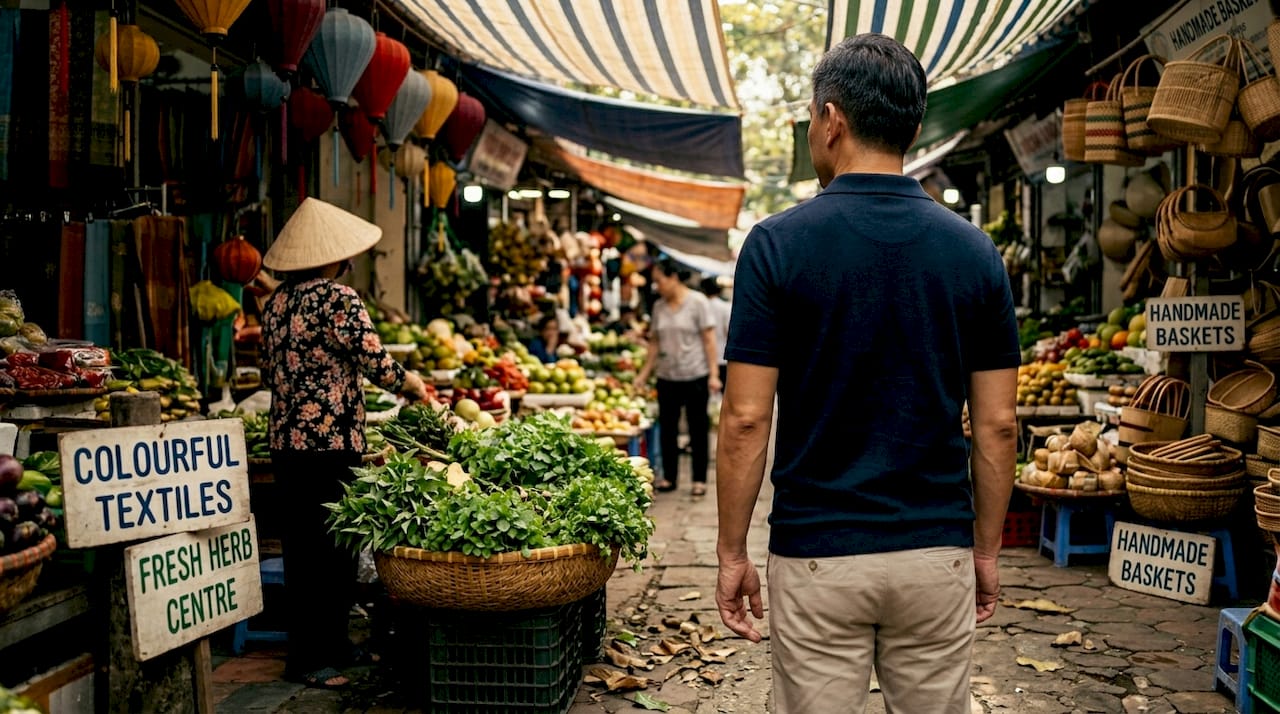
Local markets and street food culture. Ben Thanh in Ho Chi Minh City and Dong Ba in Hue are more than shopping destinations. They are living social spaces where Vietnamese daily life is visible in its most unguarded form. Arrive early in the morning when vendors set up and the pace is unhurried. The conversations, the bartering, the smells, and the street food eaten standing up at a plastic stool are all part of the real experience. Markets like Bac Ha in Lao Cai province, operating only on Sundays, draw ethnic minority communities from surrounding hills in their traditional clothing.
-
Water puppet theatre. Originating in the Red River Delta over a thousand years ago, water puppetry is a uniquely Vietnamese art form that tells folk stories through carved wooden puppets operated from behind a bamboo screen in a waist-deep pool. The Thang Long Water Puppet Theatre in Hanoi is the most polished venue, offering performances with a live traditional orchestra. Shows run daily and last approximately 50 minutes. This is one of those experiences that works well for all ages and gives genuine insight into Vietnam’s agricultural folklore.
-
Lan Ha Bay scenic cruise. While Ha Long Bay is better known, Lan Ha Bay adjacent to Cat Ba Island offers a quieter, more intimate version of the same dramatic karst seascape. A two-day overnight cruise here combines kayaking through floating fishing villages, visits to cave systems, and interactions with local fishermen. The connection to traditional fishing communities, which have lived on these waters for generations, gives the experience a human dimension that a simple sightseeing cruise cannot match. Lan Ha Bay cruises are consistently ranked among the top things to do in Vietnam for international visitors.
“Festivals and culinary events consistently rank as the highest-rated cultural attractions among international visitors to Vietnam, combining sensory depth with direct community participation in ways that no single monument or museum can replicate.”
Explore the full range of Vietnam cultural tour options if you want expert help building an itinerary around these experiences.
Comparison of cultural experiences: food, tradition, accessibility
To help you choose the best fit, see how each activity measures up in culinary variety, cultural depth, and traveller access.
| Experience | Culinary depth | Heritage significance | Budget range (SGD) | Accessibility |
|---|---|---|---|---|
| Hue culinary tour | Very high | Imperial and Buddhist | S$40 to S$120 | Easy, guided tours available |
| Saigontourist Festival | Exceptional (500+ dishes) | National, multi-regional | S$10 to S$30 | Very easy, central Ho Chi Minh City |
| Cao Dai Holy See | Low | Unique syncretic religion | S$5 to S$20 | Moderate, day trip from Ho Chi Minh |
| Craft village visit | Low to moderate | Centuries-old artisan traditions | S$15 to S$50 | Easy, near major cities |
| Local markets | Moderate | Daily community life | Free to S$20 | Very easy, all major cities |
| Water puppet theatre | Low | Ancient folk art, 1,000+ years | S$10 to S$25 | Very easy, Hanoi city centre |
| Lan Ha Bay cruise | Moderate | Fishing village traditions | S$100 to S$300 | Moderate, requires travel to Cat Ba |
The Saigontourist Culinary Culture Festival stands out as the most accessible and food-forward option. Its recognition as the World’s Best Culinary Festival from 2023 to 2025 reflects a consistent standard of quality and scale. For gourmet-minded Singaporeans, it is genuinely hard to beat. Heritage seekers will find the Cao Dai Holy See and craft village visits more rewarding. Active travellers who prefer to combine nature and culture should prioritise Lan Ha Bay.
Browse Vietnam package benefits to see how these experiences can be combined into a single trip without the logistical headaches of planning from scratch.
Situational recommendations: best picks for different traveller types
This comparison opens the door to personalised picks, so let us match them to your travel style.
For families with young children: The water puppet theatre is a natural fit. It is visually engaging, relatively short, and entirely child-friendly. Craft village visits also work well because children can participate in hands-on activities like pottery making or silk weaving. Local markets, visited in the morning, offer a lively and sensory-rich experience without requiring long periods of sitting.
For solo explorers: Solo travellers benefit most from experiences that allow spontaneous interaction. Local markets and food tours through Hue are ideal because they are naturally social settings where conversations with vendors and fellow diners happen organically. The Saigontourist Festival, with its open-access format, is also excellent for independent visitors who want to graze freely across dozens of culinary stalls.
For group tours: Lan Ha Bay overnight cruises are designed for groups and offer a natural setting for shared meals, kayaking, and evening conversations on deck. Cao Dai Holy See visits work well for groups because the ceremony is a collective experience that generates discussion and reflection.
For dedicated foodies: Hue culinary tours and the Saigontourist Festival are the clear priorities. Temple visits, craft villages, and cruises fill the gaps between food-focused activities and provide cultural context that enriches the culinary experience.
- Local markets: ideal for budget travellers, free or minimal cost
- Craft village workshops: affordable and hands-on, roughly S$15 to S$50 including materials
- Water puppet theatre: excellent value at under S$25 per person
Pro Tip: Pairing a major festival like the Saigontourist event with a heritage day trip to a craft village or temple creates a genuinely layered experience. You get the communal energy of a large event and the quiet depth of a smaller tradition in the same trip.
Check out Vietnam trip packages for every traveller to find itineraries that combine these recommendations into a coherent, well-timed journey.
Why cultural immersion matters more than ever for Singaporean travellers
Here is an opinion that might push back on conventional travel wisdom: the obsession with “hidden gems” is slightly overrated, and it is sometimes actively harmful to the experience you are trying to have.
The logic of hidden gems suggests that a place loses value the moment it becomes popular. But Vietnam’s most celebrated cultural events, including the Saigontourist Culinary Culture Festival and the Hue Festival, are popular precisely because they are extraordinary. Avoiding them to seem like a more discerning traveller means missing experiences that have genuine communal meaning, scale, and history.
Singaporean travellers are at an interesting point in their collective travel evolution. The data is clear: Vietnam’s status as a cultural destination for Singaporeans is growing fast, driven not by price alone but by a hunger for depth and meaning. After years of ticking off landmarks, many travellers are now asking a different question: what do I actually understand about this place after visiting?
Cultural immersion answers that question in a way sightseeing never can. Eating the food a community has cooked for centuries, watching a craft being made by the hands that learned it from a grandparent, or sitting quietly in a temple during an active ceremony, these are not tourist activities. They are moments of genuine human contact that change how you see a country and, often, how you see your own.
The real hidden gem in Vietnam is not a restaurant or beach that nobody knows about. It is the willingness to slow down inside an experience that is right in front of everyone.
Explore Vietnam’s best culture with tailored tour packages
If reading through these seven experiences has sparked genuine curiosity, the next step is making sure the trip actually delivers on that curiosity. Planning cultural itineraries in Vietnam requires local knowledge, seasonal awareness, and strong logistical support, especially when combining multiple cities or timing a visit around a specific festival.
At vietnamtourpackage.sg, we specialise in curated Vietnam culture-focused tours built specifically for Singaporean travellers. From Hue culinary tours and festival-timed Ho Chi Minh City visits to Lan Ha Bay cruises and craft village half-days, every itinerary is designed with cultural depth as the primary goal. Our packages include private transportation, bilingual local guides, pre-booked festival access, and accommodation chosen for character as much as comfort. Reach out via WhatsApp for a personalised recommendation that matches your travel style, group size, and budget.
Frequently asked questions
What are the must-try Vietnamese cultural festivals for Singaporean tourists?
The Saigontourist Culinary Culture Festival and events in Hue are highly recommended, with the former featuring over 500 dishes and a three-year run as the world’s best culinary festival. Both events blend authentic cuisine with living local traditions in accessible urban settings.
How can Singaporean travellers access genuine local experiences without joining huge tour groups?
Opt for smaller, specialised itineraries focusing on local food tours and craft traditions, as individualised culinary and spiritual tours consistently deliver more immersive contact than large group packages. Travelling outside peak festival crowds also improves access to local participants and quieter, more genuine interactions.
What type of cuisine should I prioritise in a Vietnam cultural trip?
Hue cuisine deserves top priority because it is the birthplace of over half of Vietnam’s traditional dishes, reflecting centuries of imperial and Buddhist culinary influence in one compact city.
Is it possible to experience Vietnamese culture on a limited budget?
Yes, visiting local markets and villages are among the most immersive options available and cost little to nothing in entry fees, making cultural depth genuinely accessible for budget-conscious travellers.
Recommended