Discover how to maximize Vietnam trip value in 2026 with expert tips on budgeting, must-see attractions, and smart travel strategies.
How to maximise Vietnam trip value in 2026
TL;DR:
- Maximizing Vietnam trip value involves focused spending on unique experiences while minimizing costs on accommodations and local transportation. Traveling slowly and choosing local foods, guesthouses, and direct bookings optimize your budget for memorable moments. Planning your visa in advance and using apps like Grab help save time and money during your trip.
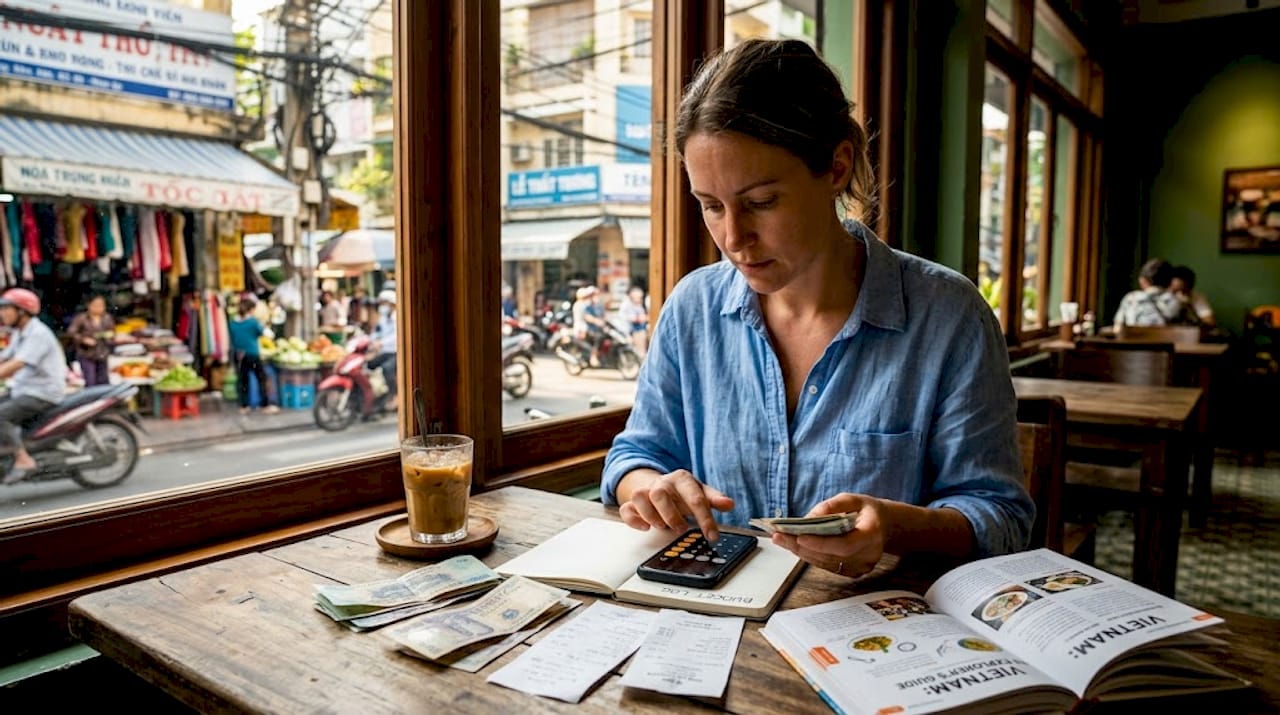
Vietnam is one of South-East Asia’s most rewarding destinations for travellers who want genuine experiences without spending a fortune. Yet knowing how to maximise Vietnam trip value takes more than simply booking the cheapest flights. The real challenge is balancing your budget against the quality of what you actually do, eat, and see. This guide covers everything from daily budgeting and itinerary planning to visa tips, smart transport choices, and money management so you get the most from every pound spent in Vietnam.
Table of Contents
- Key takeaways
- Budgeting for your Vietnam trip
- Optimising your Vietnam itinerary
- Smart spending on food, accommodation, and transport
- Visa planning to avoid delays and fees
- Handling money and staying connected
- My honest take on maximising Vietnam trip value
- Plan your trip with Vietnamtourpackage
- FAQ
Key takeaways
| Point | Details |
|---|---|
| Set a realistic daily budget | Daily costs range from US$35 to US$100 depending on travel style, so planning ahead prevents overspending. |
| Prioritise anchor experiences | Focus spending on one or two highlights like Ha Long Bay and keep remaining days low-cost. |
| Travel slower for deeper value | Fewer regions visited means lower transport costs and richer local experiences. |
| Use street food strategically | Meals at US$1 to US$3 free up budget for tours, cruises, and cultural activities. |
| Sort your visa early | Applying for an e-visa in advance avoids rush fees, unofficial agents, and border delays. |
Budgeting for your Vietnam trip
Understanding where your money goes is the foundation of getting the best value for your Vietnam trip. Daily costs vary considerably, from roughly US$35 to US$46 per day for backpackers to US$64 to US$100 for mid-range travellers. Over a fortnight, that translates to a total trip cost of approximately US$1,244 to US$1,494 for budget travellers and US$2,055 to US$2,355 for those who prefer comfort.
The four main budget categories to plan around are accommodation, food, transport, and activities. Accommodation in a decent guesthouse or hostel runs US$8 to US$20 per night in most cities. Transport between cities is one of the most flexible costs: an open-bus ticket from Hanoi to Ho Chi Minh City costs around US$30 to US$50, while budget domestic flights can be found for similar prices if booked early.
Hidden costs catch many travellers off guard. ATM fees can add US$30 to US$57 over a two-week trip when you factor in both local bank charges and your home bank’s fees. Tipping, though not mandatory in Vietnam, is increasingly expected in tourist areas. The Vietnam e-visa itself costs money. A 10 to 15 per cent contingency buffer on top of your planned budget is always a sensible approach.
Budget comparison at a glance
| Travel style | Daily spend | 14-night total (all-in with flights) |
|---|---|---|
| Backpacker | US$35–US$46 | US$1,244–US$1,494 |
| Mid-range | US$64–US$100 | US$2,055–US$2,355 |
| Comfort | US$120+ | US$3,000+ |
Pro Tip: Read up on Vietnam travel budgeting tips before you finalise your itinerary. Knowing which costs are fixed and which are flexible gives you real control over your spend.
Optimising your Vietnam itinerary
The classic route runs from Hanoi in the north through Hue, Da Nang, Hoi An, and down to Ho Chi Minh City in the south. This north-to-south flow works well because you naturally move with the season and avoid backtracking. But doing it all in under two weeks is where many travellers go wrong. Trying to cover every city adds transport costs and leaves you feeling like you barely scratched the surface anywhere.

Travelling slower and focusing on fewer regions cuts logistical expenses significantly while delivering deeper experiences. Three days in Hoi An, for example, gives you enough time to walk the Ancient Town at sunrise before the crowds arrive, hire a bicycle to the rice fields, and still eat your way through the market at night. That is simply not possible on a one-night stop.
When it comes to transport choices, the tradeoffs matter:
- Domestic flights save time but cost more. They make sense between Hanoi and Ho Chi Minh City or when you have a limited window.
- Sleeper trains offer an excellent balance of cost, comfort, and scenery. The Hanoi to Hue route overnight is a genuine highlight for many travellers.
- Open-bus tickets are the budget standard and work well for shorter hops like Da Nang to Hoi An.
For timing, travelling in May, September, or October can cut accommodation costs by 10 to 25 per cent compared to peak season, with fewer crowds and reasonable weather across most of the country.
The smartest way to optimise Vietnam travel time is to build your itinerary around one or two paid anchor experiences, such as a Ha Long Bay overnight cruise or a guided cycling tour around Hoi An’s countryside, and balance those with low-cost or free activities like temple visits, beach days, and local market exploration.
Pro Tip: If you are flying into Hanoi and out of Ho Chi Minh City, book a one-way ticket in each direction rather than a return to the same city. It costs about the same but saves you a full day of unnecessary travel.
Smart spending on food, accommodation, and transport
This is where you can make or lose the most money in Vietnam without even realising it. The biggest single lever for how to maximise Vietnam trip savings is your food choices.
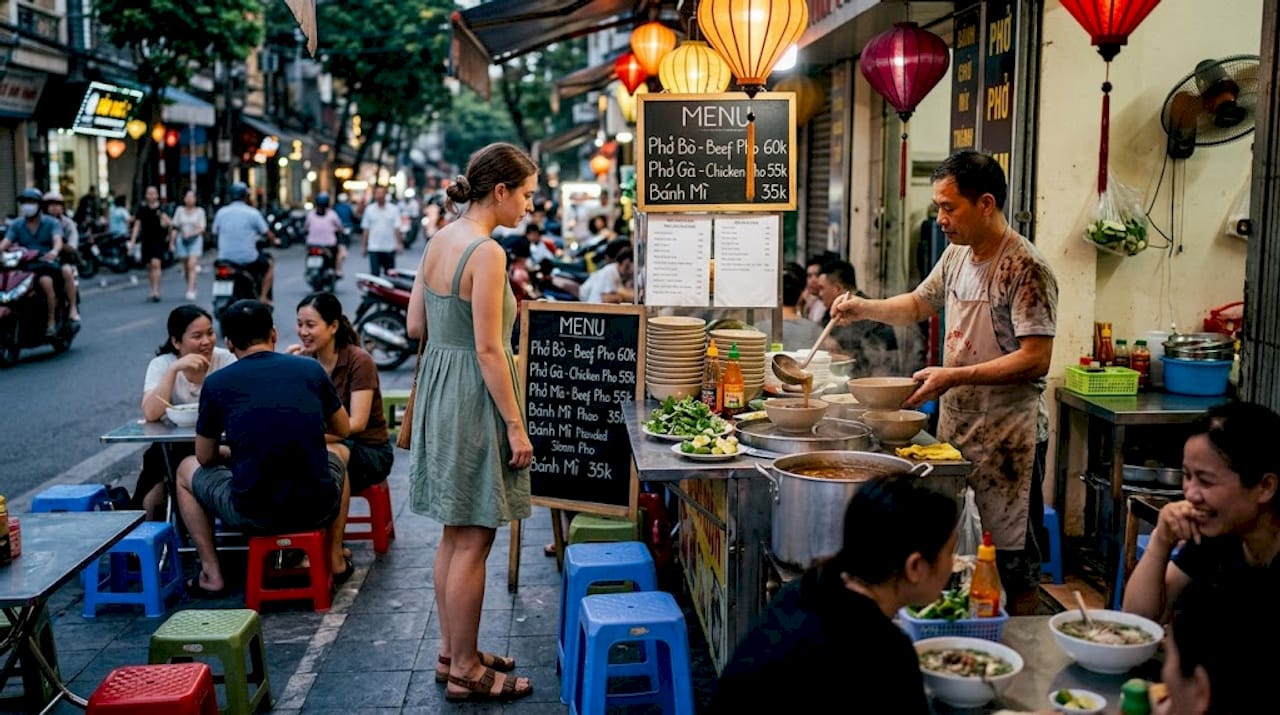
Street food meals cost approximately US$1 to US$3, and the quality is genuinely outstanding. A bowl of pho in a local Hanoi stall, banh mi from a cart in Hoi An, or bun bo hue from a side-street vendor in Hue will outperform almost anything you find in a tourist restaurant at three times the price. If you eat two meals a day from local spots and one from a mid-range restaurant, your daily food budget can stay under US$15 comfortably. Check out the Hanoi Old Quarter street food guide and the Hoi An food guide for specific recommendations.
For accommodation, follow these four steps to get the best value:
- Book hostels or guesthouses in the old town or centre. Location saves on transport and puts you within walking distance of sights.
- Read reviews for cleanliness and WiFi quality. These two factors matter more than room size for short stays.
- Consider boutique guesthouses over international hotel chains. They often charge less, include breakfast, and offer genuinely personal service.
- Book two to three nights in advance, not months ahead. Vietnam’s accommodation market is liquid, and last-minute deals are common except during Tết and summer holidays.
For city transport, Grab is safer and more cost-effective than street taxis or xe ôm (motorbike taxis) because fares are shown upfront in the app. You will not get charged a tourist rate. On a two-week trip, using Grab exclusively for airport transfers and city rides over taxis could save you US$20 to US$30 easily.
For tours and activities, booking Ha Long Bay cruises directly or through a hostel saves approximately US$20 to US$40 compared to booking through tourist street agencies. The same principle applies to cooking classes, cycling tours, and day trips across the country.
Pro Tip: Always check whether a tour includes meals and transport before comparing prices. Two quotes that look similar can be very different in what they actually deliver.
Visa planning to avoid delays and fees
Sorting your visa in advance is one of the simplest ways to save both time and money. Vietnam’s e-visa system is straightforward and covers most nationalities. The e-visa costs around US$25 for single entry and US$50 for multiple entries, with a standard processing time of approximately three working days. In peak seasons, processing can take longer, so apply at least a week before travel.
Here is a quick checklist for smooth visa preparation:
- Apply only through Vietnam’s official e-visa portal at evisa.xuatnhapcanh.gov.vn.
- Prepare a passport photo in JPEG format and a clear scan of your passport photo page.
- Have your accommodation address in Vietnam ready for the application form.
- Print a copy of your approved e-visa to present at the border.
- Check that your passport is valid for at least six months beyond your travel dates.
Avoid any third-party service that charges more than US$5 to US$10 to assist with e-visa applications. The official portal is straightforward and the extra cost buys you nothing except risk.
Unofficial visa-on-arrival services operating through tourist websites frequently charge two to three times the official rate. The official route is both cheaper and more reliable.
Handling money and staying connected
The way you manage cash in Vietnam can add or subtract a meaningful sum from your trip budget without you noticing until it is too late.
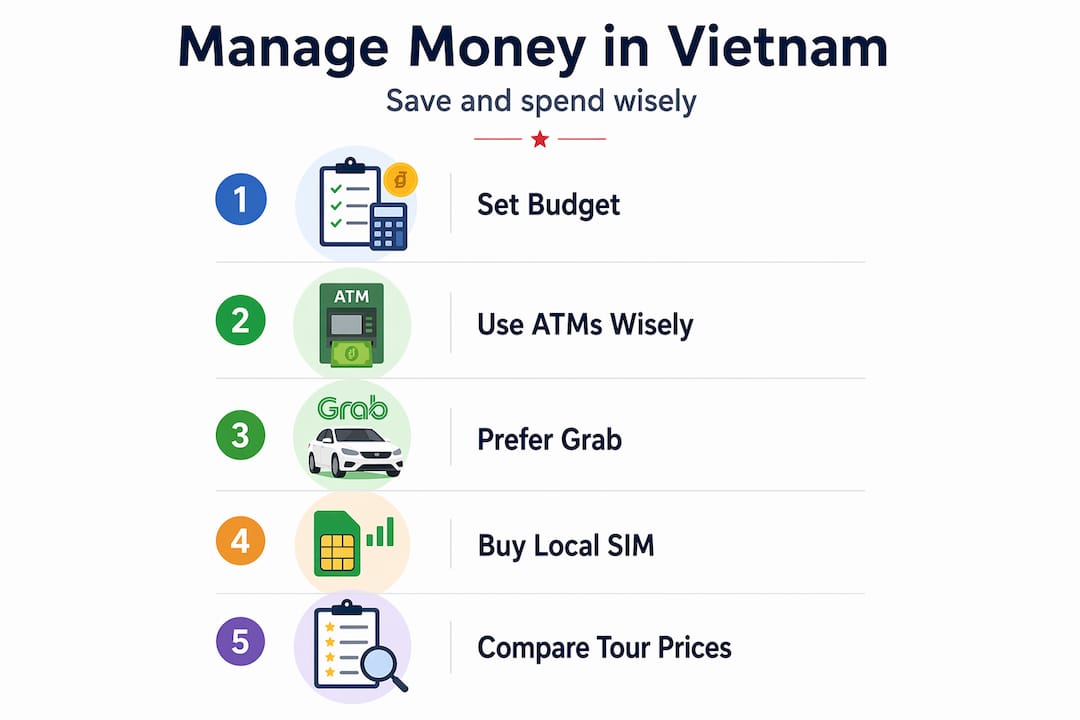
For cash withdrawals, BIDV and Agribank ATMs charge the lowest local fees. Withdrawing larger amounts less frequently reduces the number of fee charges you accumulate. Avoid currency exchange booths at airports and in tourist areas like Bui Vien Street in Ho Chi Minh City, where rates are typically 5 to 10 per cent worse than you will find at a reputable local bank or gold shop in the city centre.
Key money management tips:
- Use a travel credit card with no foreign transaction fees where cards are accepted.
- Carry a mix of Vietnamese dong in small denominations for street food, motorbike taxis, and market shopping.
- Keep a small emergency US dollar reserve, as USD is widely accepted for larger tourist purchases.
- Never exchange money at hotel front desks. The rates are almost always poor.
For connectivity, a tourist SIM card with 20GB of data costs just US$6 to US$10 from major carriers like Viettel, available at the airport or local phone shops. This is non-negotiable for using Grab, navigating Google Maps, and staying in contact. International roaming from Singapore is expensive and unreliable by comparison.
Pro Tip: Pick up your SIM card at the airport on arrival rather than in the city. The process takes five minutes, and you will have data for the taxi or Grab ride straight away.
My honest take on maximising Vietnam trip value
I have spent a lot of time watching travellers get Vietnam wrong, and the pattern is usually the same. They try to do too much, eat in too many tourist restaurants because they feel safer, and then wonder why they spent more than expected and still feel like they missed something.
My view is that the best value in Vietnam does not come from spending less across the board. It comes from being deliberate. Spend generously on the one or two experiences that genuinely cannot be replicated, whether that is an overnight cruise on Ha Long Bay, a private cooking class in Hoi An, or a sunrise motorbike ride through the rice terraces of Sapa. Then be ruthless about keeping everything else lean. Local food, local guesthouses, local transport.
The mistake I see most often is spreading the budget thin across too many mediocre experiences instead of concentrating it on a handful of memorable ones. A US$120 Ha Long Bay cruise that blows your mind is worth infinitely more than three US$40 tourist day trips that you forget by the time you land back home.
Pacing matters too. Two cities done properly will always beat five cities done superficially. Vietnam rewards the traveller who slows down and pays attention.
— Kuan
Plan your trip with Vietnamtourpackage
Getting the planning right on your own takes time and real local knowledge. Vietnamtourpackage specialises in curated Vietnam tours from Singapore, covering everything from accommodation and meals to private transport and guided sightseeing, so you are not left figuring out the logistics under pressure.
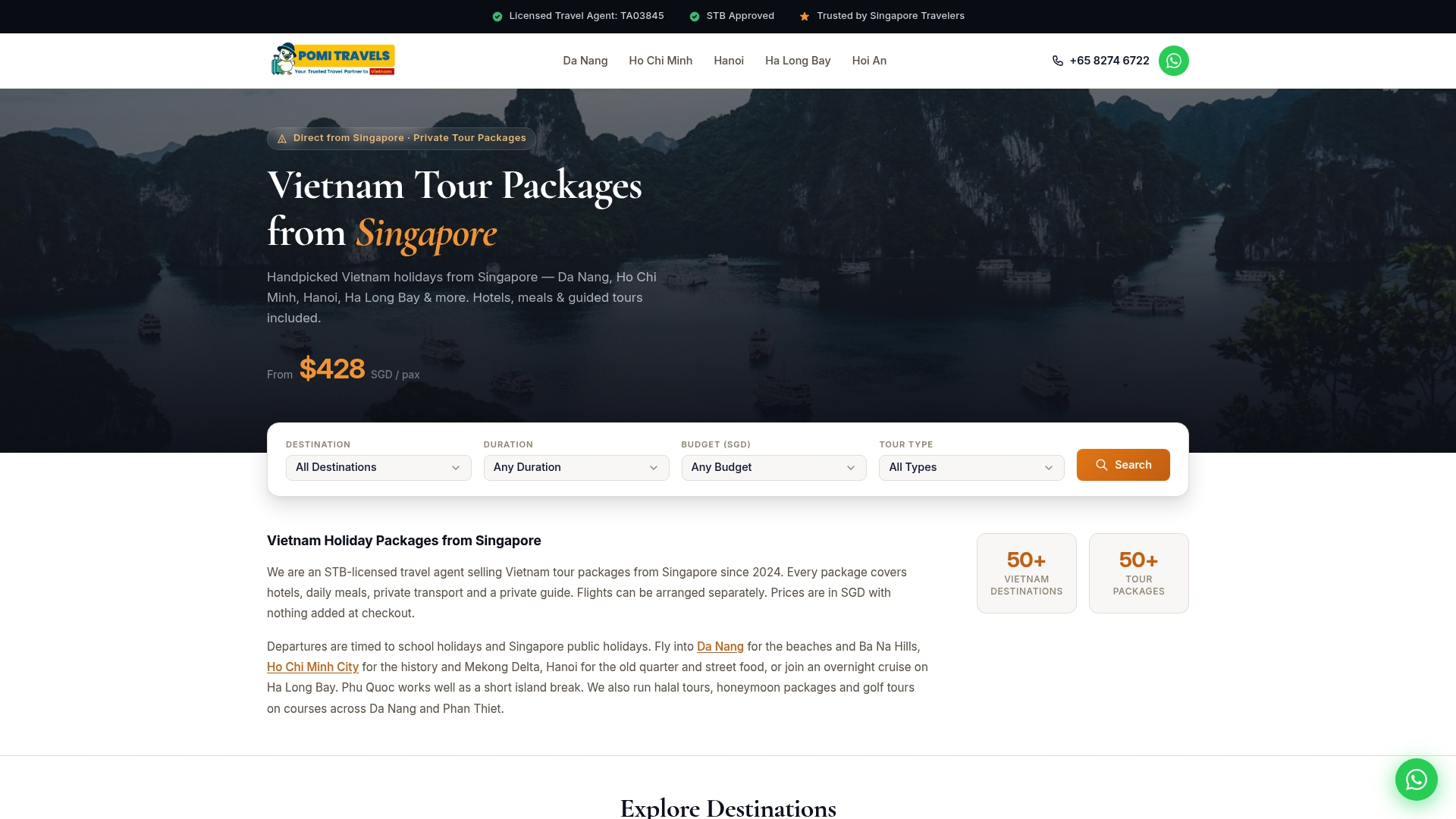
Whether you are looking at a short city break or a multi-destination itinerary, Vietnamtourpackage offers Vietnam tour packages from $428 SGD with transparent pricing and no hidden surprises. For those exploring the north, the Hanoi, Sapa and Ha Long 4D3N tour covers the country’s most iconic highlights in an efficiently planned package. If the centre and south appeal more, the Da Nang 5D4N tour takes in Da Nang, Hoi An, Ba Na Hills, and Hue in a single itinerary. All packages are bookable via WhatsApp for a genuinely stress-free process.
FAQ
What is a realistic daily budget for Vietnam?
Backpackers typically spend US$35 to US$46 per day, while mid-range travellers average US$64 to US$100. Your total will depend heavily on your accommodation choices and how many paid activities you book.
How much does a Vietnam e-visa cost in 2026?
A single-entry e-visa costs approximately US$25, with multiple-entry costing US$50. Processing takes around three working days, so apply at least one week before your departure date.
Is Grab the best way to get around Vietnamese cities?
Yes. Grab displays fares upfront and eliminates the risk of being overcharged, making it the most reliable and cost-effective option for city transport across Vietnam’s major destinations.
When is the cheapest time to visit Vietnam?
Travelling in May, September, or October can reduce your accommodation costs by 10 to 25 per cent compared to peak periods, with the added benefit of smaller crowds at popular sights.
How do I avoid overpaying for tours and activities?
Book Ha Long Bay cruises and other activities directly through your accommodation or the operator’s own website. Booking direct saves US$20 to US$40 compared to tourist-street agencies, with no difference in quality.
Recommended
- Budget Planning for Vietnam Tours | VietnamTourPackage.sg
- Sapa, Ninh Binh and Ha Long Bay Itinerary for Singapore Travellers
- 3-Day vs 5-Day Vietnam Itinerary by Budget | VietnamTourPackage.sg
- Private tour booking steps for a seamless Vietnam trip | VietnamTourPackage.sg