Discover hidden gems with our guide to offbeat Vietnam destinations. Escape the crowds and experience authentic culture and breathtaking beauty!
Your guide to offbeat Vietnam destinations

TL;DR:
- Popular Vietnamese landmarks like Ha Long Bay and Hoi An are overcrowded, diminishing their authenticity.
- Exploring lesser-known destinations such as Con Dao and Pu Luong offers more genuine cultural and natural experiences.
Vietnam’s most iconic spots — Ha Long Bay, Hoi An, the Old Quarter in Hanoi — have earned their fame. But with 20 to 25 million visitors projected for 2026, those same places can feel more like theme parks than travel destinations. If you’re after the genuine article, this guide to offbeat Vietnam destinations will show you exactly where to go, how to get there, and how to travel respectfully in communities that haven’t been reshaped for tourism.
Table of Contents
- Key takeaways
- Essential prep for exploring offbeat Vietnam
- Top offbeat destinations across Vietnam
- Navigating offbeat Vietnam safely and enjoyably
- Building offbeat spots into your Vietnam itinerary
- My honest take on travelling off the tourist trail
- Explore offbeat Vietnam with Vietnamtourpackage
- FAQ
Key takeaways
| Point | Details |
|---|---|
| Offbeat beats overcrowded | Lesser-known spots like Con Dao and Pu Luong offer far quieter, more authentic experiences than the mainstream circuit. |
| Cash and phrases are non-negotiable | Remote areas rarely accept cards and have limited English support, so prepare accordingly before you leave the city. |
| Transport planning is critical | Public buses don’t reach most offbeat areas; arrange motorbike hire or a private driver well in advance. |
| Timing shapes everything | Regional weather and local harvest seasons dramatically affect both accessibility and scenery at off-the-beaten-path spots. |
| Combine old and new wisely | Pair offbeat destinations with nearby hubs like Hanoi or Da Nang to keep logistics manageable without sacrificing adventure. |
Essential prep for exploring offbeat Vietnam
Getting to the hidden gems in Vietnam requires a different mindset than booking a popular package tour. The gap between planning and reality can be wide, and it’s worth narrowing it before you board the plane.
Transport: the basics you need to sort first
Standard public transport simply does not reach most offbeat regions. Your two main options are renting a motorbike or hiring a private driver. Private transfers from Hanoi to somewhere like Pu Luong Nature Reserve cost roughly $13 to $20 USD, which is genuinely affordable. That said, hiring a local driver comes with real advantages beyond cost. They know the roads, can negotiate language barriers, and often have connections that lead you somewhere no guidebook mentions.
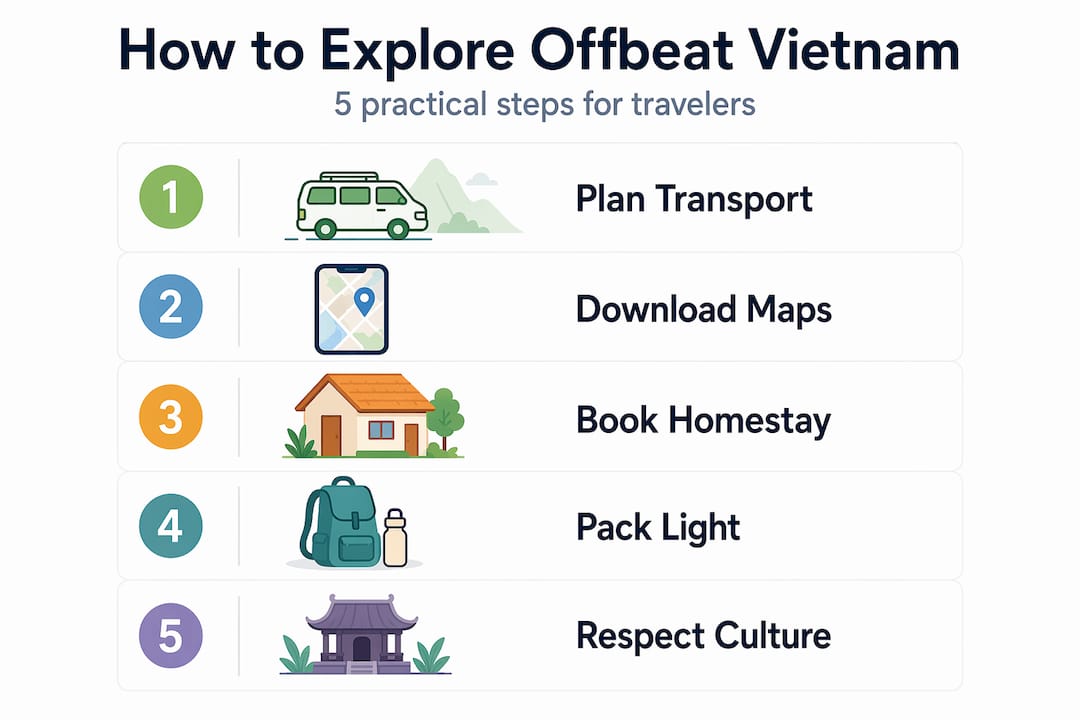
If you do want to ride a motorbike yourself, be honest about your skill level. Mountain roads are narrow, steep, and frequently slick after rain. You will also need an International Driving Permit to stay on the right side of the law.
What to carry, know, and download
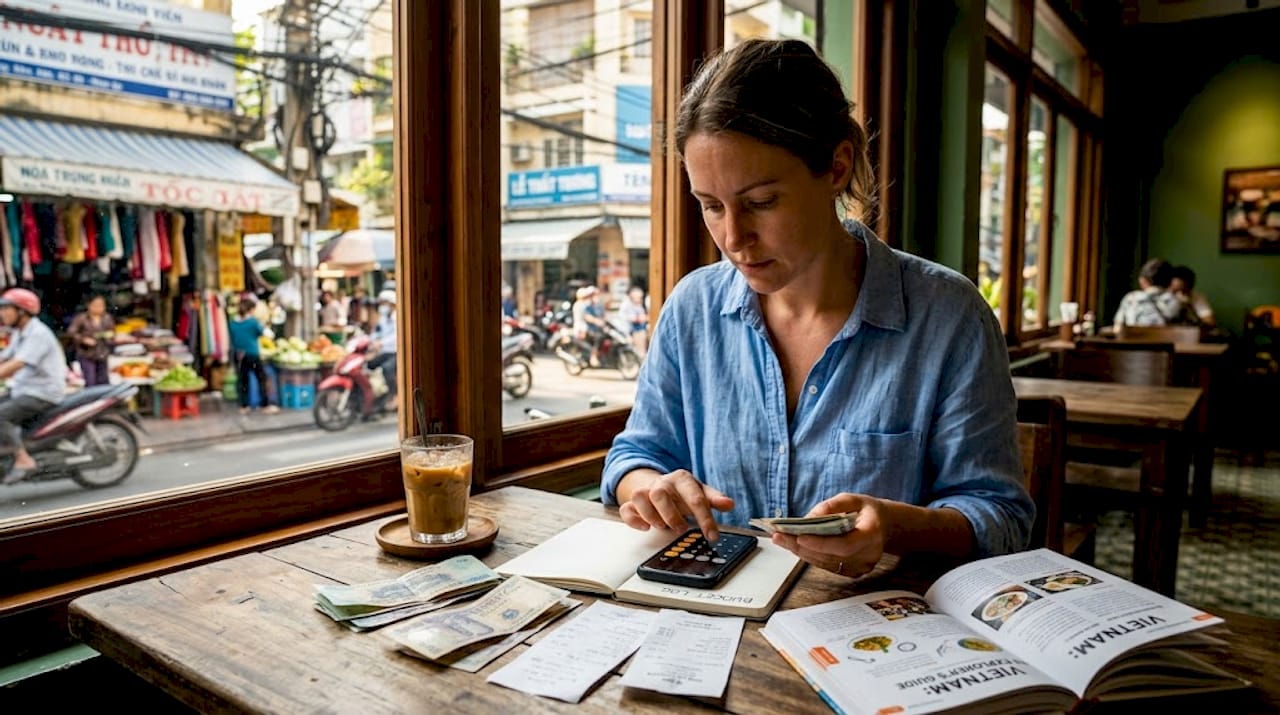
Offbeat destinations lack English-speaking staff and card payment facilities, so come prepared:
- Carry sufficient cash in Vietnamese Dong before leaving any major city.
- Download an offline map (Maps.me or Google Maps offline) as mobile data is patchy.
- Learn a handful of Vietnamese phrases. Even “xin chào” (hello) and “cảm ơn” (thank you) go a long way.
- Check regional weather patterns before you commit to dates; the monsoon season can make certain mountain roads genuinely dangerous.
Cultural respect also means understanding you’re visiting living communities, not curated attractions. Dress modestly, ask before photographing locals, and avoid loud behaviour in village spaces.
Pro Tip: Download your offline maps while still in your hotel before heading out. Once you’re in a remote valley, you won’t have the data to do it on the spot.
Top offbeat destinations across Vietnam
Here is where this guide to offbeat Vietnam destinations gets specific. These unusual travel spots in Vietnam span north, central, and south, and each one offers something fundamentally different from the tourist trail.
Con Dao islands (southern Vietnam)
Con Dao is perhaps Vietnam’s most striking example of a destination hiding in plain sight. While Phu Quoc draws millions of visitors every year, Con Dao receives only around 20,000 foreign visitors annually. The result is pristine beaches, excellent diving, and a genuine seafood culture that hasn’t been commercialised.
Getting there means a short flight from Ho Chi Minh City or an overnight ferry. Accommodation ranges from budget guesthouses to the heritage-listed Six Senses resort. The best months to visit are November through April, when sea conditions are calm and visibility underwater is at its clearest.
Pu Luong Nature Reserve (northern Vietnam)
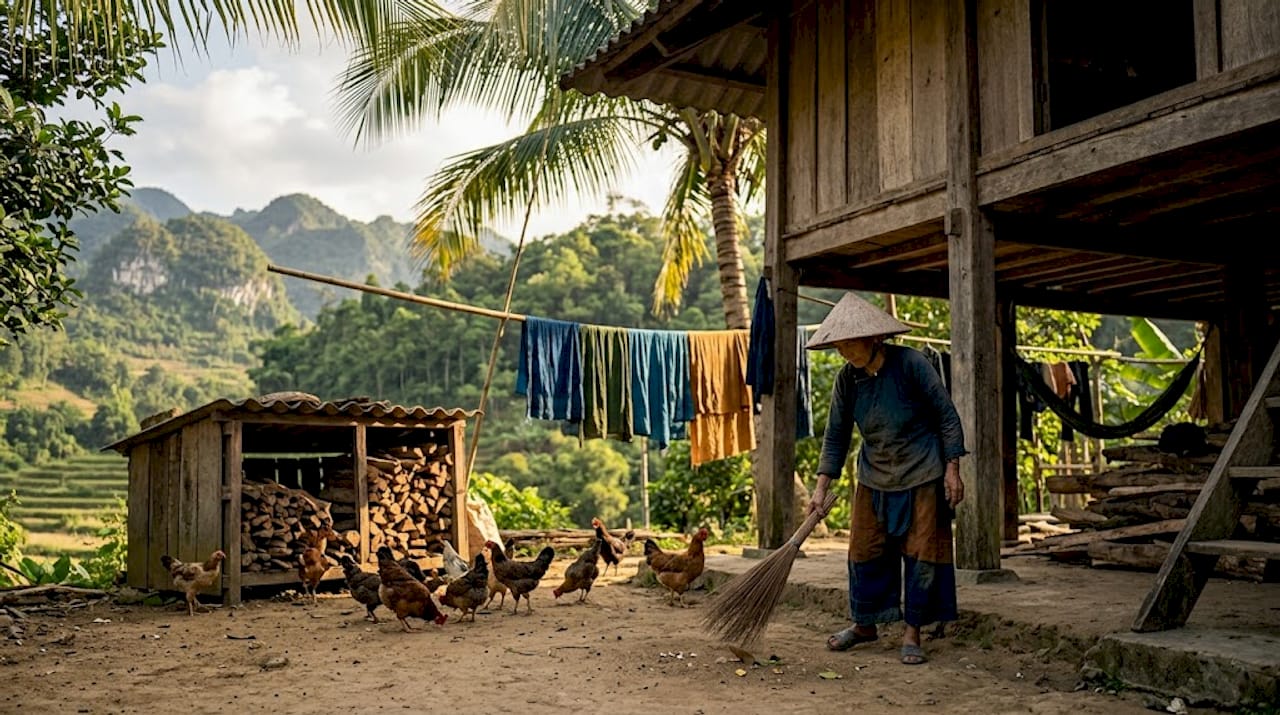
Two to three hours south of Hanoi (or a short, affordable private transfer away), Pu Luong feels like stepping into a Vietnam untouched by mass tourism. The reserve offers trekking with local guides and homestays where you’ll share meals with Thai ethnic minority families and wake up to rice paddy terraces catching morning mist. This is not a performance of rural life. It is rural life.
The dry season, roughly October to April, is ideal for trekking. The paddy terraces are most photogenic in September and October during harvest time.
Lang Loc Yen village (central Vietnam)
Located near Hoi An, Lang Loc Yen is one of the most quietly remarkable unique places to visit in Vietnam. The village remains a living community without tourism commercialisation, characterised by stone-walled houses, moss-covered paths, and a pace of life that feels centuries removed from the nearby tourist circuit. There are no souvenir stalls or ticketed attractions. You simply walk, observe, and respect.
A motorbike or hired car from Hoi An takes about 30 minutes. Visit in the morning before the heat builds.
Viet Hai village (northern Vietnam)
Located on Cat Ba Island and accessible only by boat or a long trek through Cat Ba National Park, Viet Hai is a fishing village that sees a fraction of the visitors who crowd nearby Ha Long Bay. The community is small, the pace is slow, and the scenery is extraordinary. A handful of homestays operate here, offering basic but genuinely warm hospitality.
| Destination | Mainstream equivalent | What makes it different |
|---|---|---|
| Con Dao | Phu Quoc | 20,000 foreign visitors/year vs. millions; pristine diving and seafood culture |
| Pu Luong | Sapa | Fewer crowds, affordable transfers, authentic homestays with ethnic minority families |
| Lang Loc Yen | Hoi An Ancient Town | Living heritage village with no tourist infrastructure or ticketed access |
| Viet Hai | Ha Long Bay cruise towns | Accessible only by boat; tiny fishing community with genuine homestay culture |
Pro Tip: For Pu Luong and Viet Hai, book your homestay at least two weeks ahead. Places are limited, and availability disappears faster than you’d expect for somewhere so remote.
Navigating offbeat Vietnam safely and enjoyably
Knowing where to go is only half the challenge. How you get there, where you stay, and how you behave on arrival shapes whether the experience is rewarding or frustrating.
-
Choose your transport honestly. Hiring a local driver is often safer than self-driving on remote mountain roads. The extra cost is modest and the peace of mind is significant. Reserve motorbike hire for areas with flatter terrain and roads you’ve researched beforehand.
-
Book accommodation early. Remote homestays and eco-lodges have very limited capacity. Contact them directly (often via Facebook rather than booking platforms) and confirm your stay with a deposit.
-
Build in flexibility. A road closure due to rain, a village festival you didn’t know about, a local driver who suggests an unplanned detour through an extraordinary valley — these are features of off the beaten path Vietnam, not bugs. Pack for one extra night, just in case.
-
Mind your behaviour in villages. Ask permission before photographing people, especially children. Keep your voice low in communal spaces. Social media has raised awareness of hidden gems in Vietnam, which means your choices about what you photograph and share carry real consequences for these communities.
-
Carry a basic medical kit. Remote areas are far from clinics. Bring rehydration salts, an antiseptic, and any prescription medication you need. Travel insurance with medical evacuation cover is not optional at this level of remoteness.
Pro Tip: Ask your homestay host what the road conditions are like before you set off each morning. They’ll know about last night’s rain and its effect far better than any app.
Building offbeat spots into your Vietnam itinerary
The most common mistake travellers make is treating offbeat destinations as a detour rather than a centrepiece. With some thoughtful routing, combining lesser-known spots with nearby hubs is not only possible. It’s the smartest way to structure a Vietnam trip.
- Pair Pu Luong with Hanoi. Two nights in the reserve followed by two days in the capital gives you a clean contrast without extra backtracking.
- Combine Lang Loc Yen with Da Nang. Base yourself in Da Nang or Hoi An and take a half-day or full-day trip to the village.
- Link Con Dao with Ho Chi Minh City. A direct flight is under an hour, making it easy to add three nights on the island to a southern Vietnam trip.
- Allow Viet Hai its own time. This one requires planning around boat schedules; allow at least two full days on Cat Ba Island.
The key is avoiding the instinct to rush. Offbeat travel rewards the traveller who lingers. Two nights at a destination you’ve never heard of will often produce more meaningful memories than five nights at a resort you’ve seen on every Instagram feed.
My honest take on travelling off the tourist trail
I’ve sat through enough conversations where travellers swap tips about the “real Vietnam” while sipping overpriced coffee in a Hoi An café they found on TripAdvisor. There’s an irony there that most people miss.
The truth is, discovering genuine off the beaten path Vietnam requires you to take personal responsibility. The Central Highlands and remote northern regions still hold experiences that genuinely catch you off guard. But you won’t stumble into them. You have to choose them, plan for them, and accept the discomfort that comes with places that weren’t designed for your convenience.
What I’ve found over time is that the discomfort is actually the point. The road that’s harder to navigate, the meal you can’t name, the morning where your plans change entirely because the weather says so. That’s not a problem. That’s the experience. Slow down, expect less from your infrastructure, and offer more in terms of patience and respect. The rewards are disproportionate to the effort.
— Kuan
Explore offbeat Vietnam with Vietnamtourpackage
Ready to plan a trip that goes beyond the obvious? Vietnamtourpackage specialises in curated Vietnam tours from Singapore, including options that incorporate authentic, lesser-known destinations alongside the classics. Whether you’re drawn to the southern island escapes near Ho Chi Minh City or the cultural depth of central Vietnam around Da Nang and Hoi An, the team can help you build an itinerary that balances adventure with comfort.
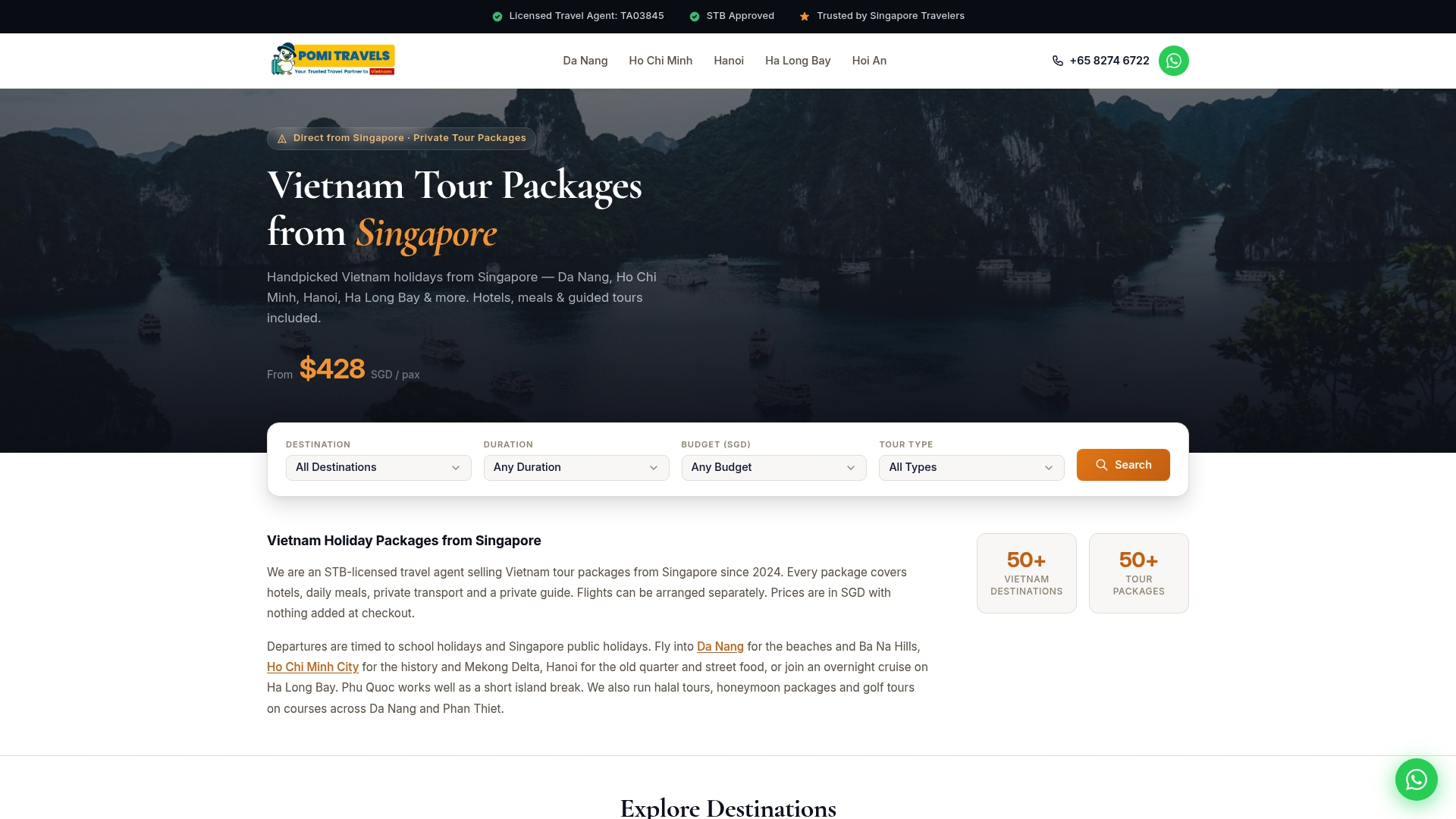
All tours are fully licensed under the Singapore Tourism Board, with private transport, handpicked accommodation, and local guides who know where the crowds aren’t. Browse the full range of Vietnam tour packages starting from $428 SGD, or reach out via WhatsApp to discuss a custom itinerary built around the places that actually matter to you.
FAQ
What are the best offbeat destinations in Vietnam?
Con Dao, Pu Luong Nature Reserve, Lang Loc Yen, and Viet Hai village are among the most rewarding hidden gems in Vietnam, each offering a vastly different experience from the mainstream tourist circuit.
How do I get to remote destinations in Vietnam without public transport?
Private car transfers and motorbike hire are your primary options. A private transfer from Hanoi to Pu Luong costs roughly $13 to $20 USD, making it both affordable and practical for most travellers.
When is the best time to visit offbeat areas in Vietnam?
The dry season from October to April suits most northern and central offbeat destinations. Coastal areas like Con Dao are best visited between November and April when sea conditions are calmest.
Is it safe to travel off the beaten path in Vietnam?
Yes, with preparation. Carry cash, download offline maps, arrange travel insurance with medical evacuation cover, and hire a local driver for challenging mountain roads rather than self-navigating unfamiliar terrain.
Do I need to speak Vietnamese to visit remote villages?
Fluency is not required, but learning basic phrases makes a genuine difference. Locals in living heritage villages like Lang Loc Yen rarely speak English, and a few words of Vietnamese signal the respect they deserve.
Recommended
- Vietnam Travel Blog | VietnamTourPackage.sg
- Explore Vietnam: top cities for families, groups & tours | VietnamTourPackage.sg
- Vietnam Spiritual Sites Guide | VietnamTourPackage.sg
- 10 Things to Do in Da Nang Beyond the Tourist Trail | VietnamTourPackage.sg